
Acne Scars vs Acne Marks: What’s the Difference?
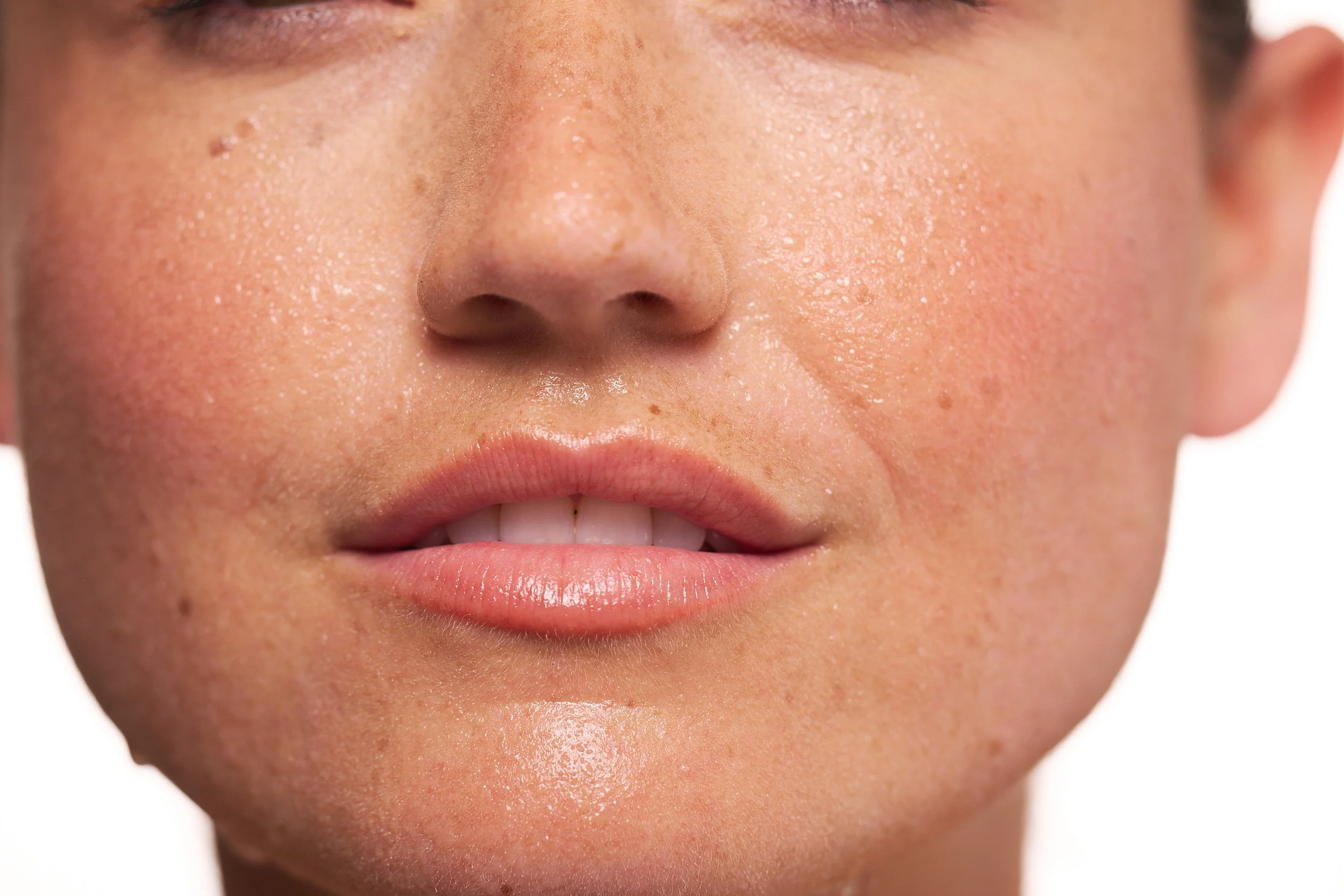
Knowing the difference can help you choose the right treatment.
After a breakout heals, it’s common to notice lingering spots or uneven texture and immediately assume you have scarring. But when it comes to acne marks vs acne scars, they are not the same thing — and understanding the difference is essential before choosing treatment.
Many people use the terms interchangeably, but acne marks and acne scars develop differently and respond to completely different procedures. Misidentifying them can lead to frustration, wasted time, and treatments that don’t deliver results.
In this guide, we’ll clarify the difference, explain how each forms, and review the most common treatment options.
What Are Acne Scars?
Acne scars are permanent changes in the skin’s texture that occur when inflammation damages the deeper layers of tissue. When severe acne — especially cystic or inflammatory breakouts — disrupts collagen during healing, the skin may either lose tissue or produce too much of it.
This leads to structural changes such as:
Atrophic (depressed) scars, including ice pick, boxcar, and rolling scars
Hypertrophic (raised) scars, caused by excess collagen production
True scarring affects the dermis, which is why it does not fade on its own.
According to the American Academy of Dermatology, acne scars form when deeper layers of skin are injured during the healing process. Because collagen structure has been altered, treatment must focus on rebuilding or remodeling the skin.
A simple way to tell if you’re dealing with scarring is by touch. If you run your fingers across your skin and feel indentations, pits, or raised areas, you’re likely seeing acne scars rather than discoloration.
When discussing acne scars vs acne marks, texture is one of the biggest distinguishing factors.
What Are Acne Marks?
Acne marks are areas of discoloration left behind after a breakout heals. These are commonly referred to as post-inflammatory hyperpigmentation (PIH) or post-inflammatory erythema (PIE).
They typically appear as:
Brown or dark spots
Red or pink patches
Flat areas of uneven tone
Unlike scars, acne marks do not involve structural damage. The skin remains smooth — the change is purely in pigment or vascular response.
Acne marks develop when inflammation triggers excess melanin production or temporarily dilates blood vessels near the skin’s surface. The good news is that they are not permanent. Over time, they can fade — though sun exposure can darken them and prolong the healing process.
This is where confusion around acne scars vs acne marks often happens. Many patients assume that any leftover sign of acne is a scar, when in reality most post-breakout spots are discoloration that can improve significantly with the right care.
Most Common Treatment Options
Because acne marks vs acne scars are fundamentally different concerns, treatment must be tailored accordingly.
Treating Acne Marks (Discoloration)
Since the skin’s structure is intact, treatment focuses on brightening and evening out tone. Common approaches include:
Medical-grade brightening skincare
Chemical peels
IPL (Intense Pulsed Light) to target residual redness or pigment
These treatments accelerate cell turnover and help fade discoloration faster than waiting for it to resolve naturally.
Treating Acne Scars (Texture Changes)
Structural scars require collagen stimulation or physical remodeling of the tissue. Treatment may include:
Microneedling with regenerative boosters
Subcision for rolling scars that are tethered beneath the surface
Biostimulatory injectables to restore volume beneath depressed scars
At SKN WTR, we evaluate both pigmentation and texture before recommending a personalized plan. Many patients have a combination of marks and mild scarring, which means a layered treatment approach often produces the best outcome.
The key takeaway in the discussion of acne scars vs acne marks is this: the correct diagnosis determines the correct solution.

What’s the Difference Between Acne Scars and Dark Spots?
The difference between acne scars and dark spots ultimately comes down to texture, depth, and permanence.
Dark spots are flat and smooth. They represent pigment changes caused by inflammation and typically improve with time and proper skincare.
Acne scars, however, involve a physical change in the skin’s surface. They may appear as small pits, deeper indentations, rolling unevenness, or raised areas. These do not fade without professional intervention because the skin’s underlying support structure has been altered.
If your skin looks uneven only in color but feels smooth, you’re likely dealing with acne marks. If lighting casts shadows across small indentations or raised areas, that’s a sign of scarring.
Understanding the difference between acne scars and dark spots helps you avoid over-treating pigmentation or under-treating structural damage.
Why Identification Matters
When patients search for solutions to acne scars vs acne marks, they often assume one universal treatment exists. In reality, treating discoloration with aggressive resurfacing meant for scars can irritate the skin unnecessarily. On the other hand, using only brightening products on true scars won’t improve texture.
A professional evaluation ensures:
You invest in treatments that target the real concern
You avoid unnecessary downtime
You set realistic expectations for improvement
Because every skin type heals differently, a customized approach is always more effective than guessing.
The Next Step
If you’re unsure whether you’re dealing with acne scars vs acne marks, the best next step is a professional consultation. Correctly identifying the concern is the foundation of effective treatment.
During your visit, your provider will assess:
Skin texture under proper lighting
The depth and distribution of any scars
The level of pigmentation present
Your overall skin goals
From there, we’ll create a treatment plan tailored specifically to your skin.
Ready to move forward with clarity and confidence?
Book your consultation here and let’s determine exactly what your skin needs.
Understanding acne marks vs acne scars isn’t just helpful — it’s the first step toward smoother, clearer, healthier-looking skin.