
Botox vs Fillers
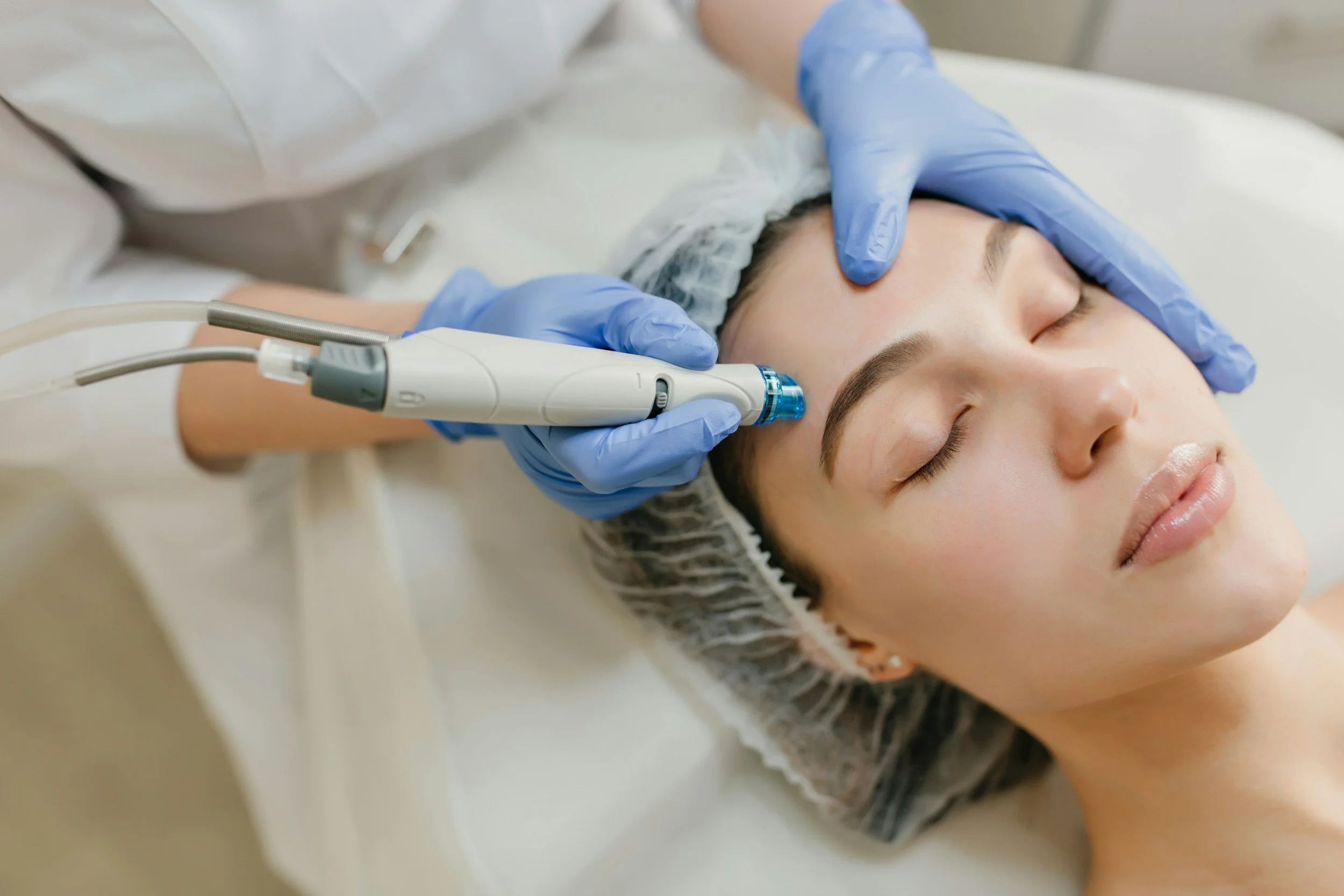
Understand the difference and choose what’s right for you
If you’re exploring aesthetic treatments for the first time, or even the fifth, it’s normal to have questions. Two of the most commonly discussed options are Botox and dermal fillers, and while they’re often mentioned together, they serve very different purposes. Understanding Botox vs fillers can help you make a confident, informed decision about your treatment plan.
At SKN WTR, our approach is thoughtful, natural, and tailored. This guide breaks down how each treatment works, what concerns they address, and how to determine which option or combination may be best for you.
Botox vs Fillers: The Core Difference
The simplest way to understand the difference between Botox and fillers is this:
Botox treats muscle movement
Fillers restore volume and structure
While both are injectable treatments, they address aging and facial concerns in very different ways.

What Is Botox?
Botox is a neuromodulator that temporarily relaxes targeted facial muscles. These muscles are responsible for dynamic wrinkles. These are lines that form due to repeated expressions like smiling, squinting, or frowning.
Common Botox treatment areas include
Forehead lines
Frown lines (between the brows)
Crow’s feet
Bunny lines
By limiting muscle movement, Botox helps soften existing lines and can prevent deeper wrinkles from forming over time. Results typically develop gradually over several days and last around three to four months.
At SKN WTR, Botox is offered as part of our Signature Wrinkle Treatment, designed to smooth while preserving natural expression.
What Are Dermal Fillers?
Dermal fillers are hyaluronic acid based injectables, a substance naturally found in the body. Fillers are used to restore lost volume, enhance facial contours, and soften static wrinkles (lines visible even when the face is at rest).
Common filler treatment areas include:
Lips
Cheeks
Jawline
Chin
Under-eye hollows
Nasolabial folds
Fillers provide immediate results, with longevity ranging from six months to over a year, depending on the product and placement. You can learn more about these treatments on our Dermal Filler page.

Fillers vs Botox: How They Work Together
Rather than thinking in terms of fillers vs botox, many clients benefit most from a combination of both. Botox can relax expression lines, while fillers restore volume and support, addressing multiple signs of aging in a balanced way.
This combination approach allows for:
Smoother skin texture
Improved facial proportions
A refreshed, rested appearance
When done thoughtfully, results look natural and cohesive, not overdone.
Nasolabial Fold Botox or Filler: Which Is Better?
Nasolabial folds — the lines that run from the sides of the nose to the corners of the mouth — are one of the most common concerns we see.
In most cases, nasolabial fold Botox or filler is not an equal choice. These folds are typically caused by volume loss and changes in facial structure rather than muscle movement. For that reason:
Dermal fillers are usually the preferred treatment
Botox is rarely used directly in this area
By restoring volume to the mid-face or directly softening the fold, fillers can create a smoother, more supported appearance without affecting natural movement.
Botox and Filler for Facial Balancing: A Complementary Approach
You may hear the term Facial Balancing used to describe a comprehensive injectable plan. This simply refers to using Botox and fillers together to address different aspects of facial aging.
For example:
Botox smooths forehead lines and crow’s feet
Fillers restore cheek volume or enhance lips
When planned strategically, this approach enhances facial balance while maintaining a natural look.
Botox or Dermal Fillers
Choosing between Botox or dermal fillers depends on your specific concerns and goals. Here’s a helpful way to think about it:
If your concern is expression lines → Botox
If your concern is volume loss or facial contour → Fillers
If you’re noticing both → A combination may be ideal
A personalized consultation is the best way to determine the right approach. Facial anatomy, skin quality, and long-term goals all play an important role in treatment planning.
What to Expect: Treatment, Downtime, and Results
Both Botox and fillers are quick, in-office procedures. Most appointments take 15–60 minutes, depending on the areas treated. Comfort measures such as topical numbing are used as needed.
Downtime
* Botox: Minimal downtime, with most clients returning to normal activity the same day
* Fillers: Mild swelling or bruising may occur, typically resolving within a few days
Results
* Botox results develop over several days
* Filler results are visible immediately, with refinement as swelling subsides
Safety and Education
When administered by trained, experienced providers, both Botox and dermal fillers are considered safe and effective. For additional educational information about cosmetic injectables, the American Society of Plastic Surgeons offers a helpful overview of injectable treatments.
At SKN WTR, we prioritize conservative dosing, precise placement, and treatments that enhance, not change. your natural features.
Is One Better Than the Other?
There is no universal “better” option, only what’s most appropriate for your face and goals. Some clients start with Botox, others with fillers, and many choose a combined plan over time
The key is working with a provider who understands facial anatomy, listens to your concerns, and prioritizes natural-looking results.
Your Next Step
If you’ve been researching Botox vs fillers and still feel unsure, you’re not alone. The best next step is a personalized consultation where we can assess your facial structure, discuss your goals, and recommend a plan that feels right for you.
Explore our treatments:
* Learn more about Dermal Filler
* Learn more about our Signature Wrinkle Treatment
At SKN WTR, we believe in informed choices, subtle enhancements, and results that feel like you, just refreshed.