
Dimpled Chin Treatments in Watertown

If you have ever looked in the mirror and noticed an uneven, bumpy texture on your chin, you are not alone. A dimpled chin is one of the most common cosmetic concerns people bring up during aesthetic consultations, and the good news is that it is also one of the most treatable. Whether your skin has that subtle pebbled look or a more pronounced orange-peel texture, effective solutions are available right here in the area. Keep reading to learn why it happens, what your options are, and where to find the best dimpled chin treatment in Watertown.
Why Do I Have a Dimpled Chin?
The dimpling you see on your chin is almost always rooted in a single culprit: the mentalis muscle. This muscle sits in the lower portion of your face and connects directly to the skin of your chin. Because it attaches to the skin rather than to bone, when it contracts, it physically pulls the skin inward, creating that characteristic bumpy or cobblestone appearance.
Several factors can make this more noticeable over time:
Muscle overactivity. When the mentalis becomes hyperactive, it contracts more frequently and with greater force, leading to deeper and more persistent dimpling, even at rest.
Aging and skin laxity. As we get older, skin loses elasticity. Younger skin can bounce back from repeated muscle contractions. Aging skin gradually cannot, which means dimples that were once subtle become more pronounced.
Loss of volume. Fat in the chin area naturally diminishes with age or weight loss. Less cushioning under the skin means the pull of the mentalis has a more visible effect on the surface.
Genetics. Some people are simply more predisposed to developing chin dimples based on their facial anatomy and muscle tone.
For many people, the dimpling shows up first in photos or under certain lighting, and then becomes something they notice regularly. Makeup does not cover it well, and no amount of skincare will change what is happening at the muscle level.
Choosing the Right Dimpled Chin Treatment
Not every treatment is the right fit for every patient. The best approach depends on how severe the dimpling is, whether it is caused primarily by muscle activity or volume loss, and what kind of results you are hoping for. A qualified injector will assess your chin during a consultation and recommend a plan tailored to your anatomy.
Here is a look at the most effective options:

Neuromodulators (Botox or Dysport)
This is the gold-standard pebble chin Botox treatment for the majority of patients. A small amount of botulinum toxin is injected directly into the mentalis muscle, temporarily relaxing it so it can no longer pull the skin into dimples. Results typically appear within a few days, with full smoothing visible at about two weeks. The treatment takes only minutes, requires no downtime, and results generally last three to six months. For patients whose dimpling is driven by muscle activity, this approach is remarkably effective.
Dermal Fillers
In cases where volume loss is contributing to the dimpled appearance, dermal fillers can be used alongside neuromodulators. Fillers add structure and support beneath the skin, softening the texture and improving the overall contour of the chin. This combination approach can be especially beneficial for patients who have noticed their chin looking more hollow or recessed with age.
Combined Approach
For many patients, the most satisfying results come from using both neuromodulators and fillers together. Relaxing the muscle addresses the underlying cause while filler improves the surface and restores a more youthful chin shape. Your provider will recommend the right combination based on your specific concerns.
Best Dimpled Chin Treatments in Watertown, MA
When it comes to injectable treatments for the chin, provider skill matters significantly. The lower face is an advanced area to treat. Multiple muscles work in close proximity, and precise placement is critical for achieving smooth, natural-looking results without affecting the movement of the lips or smile. Choosing an experienced, licensed injector is the most important step you can take.
At SKNWTR, our team has the training and expertise to assess your chin carefully and deliver treatments with the accuracy this area demands. Whether you are a candidate for neuromodulators alone or would benefit from a combined approach, we will walk you through your options and develop a plan designed around your goals.
You can book your consultation here and take the first step toward a smoother, more refined chin. We also offer our popular signature wrinkle treatment for patients looking to address additional areas of concern in the same visit.
SKNWTR Proudly Serving Watertown and the Boston Metro Area
SKNWTR is a premier medical aesthetics practice providing the best dimpled chin treatment and a full menu of injectable and skin-rejuvenating services to clients throughout the greater Boston area. Our Watertown location makes it easy for residents of Newton, Waltham, Cambridge, Belmont, Arlington, and Brookline to access expert aesthetic care without a long commute.
We take pride in offering personalized treatments in a comfortable, welcoming environment. Our injectors stay current on the latest techniques and take a thoughtful, conservative approach to help you look refreshed and natural, never overdone.
If you have been searching for dimpled chin treatment near Boston, SKNWTR is your destination. We would love to meet you and help you feel more confident in your skin. Book your appointment today and discover what a difference the right treatment team can make.
Smile Line and Nasolabial Fold Treatments in Watertown

If you have noticed deepening creases running from the sides of your nose down to the corners of your mouth, you are not imagining things. Those are nasolabial folds, more commonly called smile lines, and they are one of the most common cosmetic concerns we hear about at SKNWTR. The good news is that effective, natural-looking solutions are available right here in the Boston metro area. If you have been searching for smile line treatment in Watertown, this guide will walk you through everything you need to know.
Why Do I Have Smile Lines and Nasolabial Folds?
Smile lines are not simply the result of smiling too much. They develop primarily because of collagen loss and volume depletion that naturally occur as we age. In your twenties, skin has a firm, elastic structure supported by collagen and a generous layer of fat beneath the surface. As you move into your thirties and beyond, that structural foundation begins to thin. The mid-face loses volume, the skin becomes less resilient, and folds begin to settle in more permanently.
Sun exposure, lifestyle factors like smoking or chronic stress, and even your sleep position can all accelerate this process. If you consistently sleep on one side, you may notice that side develops deeper folds over time.
It is also worth understanding that nasolabial folds are not the same as expression lines around the eyes or forehead. They form largely because of structural changes beneath the skin, not just repeated muscle movement. This distinction matters a great deal when it comes to choosing the right treatment.
How to Prevent Smile Lines
Prevention starts with protecting what you already have. A consistent skincare routine with SPF is the single most impactful habit you can build. Daily broad-spectrum sunscreen slows collagen degradation, which delays the deepening of nasolabial folds over time.
Beyond sun protection, look for products that support skin structure. Retinoids encourage collagen production and cellular turnover. Peptides and antioxidants help maintain skin integrity. Staying hydrated, managing stress, and avoiding smoking all contribute to skin that holds its elasticity longer.
That said, even the most diligent skincare routine cannot reverse volume loss or halt the structural changes that cause deep nasolabial folds. At a certain point, in-office treatment becomes the most effective path forward.

Choosing the Right Smile Line Treatment
Because nasolabial folds are driven by volume loss rather than muscle movement, the approach to treating them differs from how you would treat forehead lines or crow's feet. This is an important distinction that not every provider makes clear.
Neurotoxin treatments like Botox work beautifully for dynamic wrinkles caused by muscle contraction, areas like the forehead, between the brows, and around the eyes. However, they are not the right tool for nasolabial folds. Injecting neurotoxin into the lower face to target smile lines can actually create imbalance in muscle function and lead to unnatural results.
The most effective options for smile lines and deep nasolabial folds involve restoring volume and structure. Dermal fillers, particularly hyaluronic acid-based fillers, are the gold standard for this area. Placed precisely along and above the nasolabial fold, filler lifts and smooths the crease while maintaining natural movement. Depending on the product used, results typically last anywhere from 12 to 24 months.
For more advanced cases or patients who prefer a regenerative approach, treatments that stimulate collagen production, such as biostimulators or microneedling with radiofrequency, can provide meaningful improvement over time.
Best Smile Line Treatments in Watertown, MA
Dermal Filler for Nasolabial Folds
Hyaluronic acid filler remains the most popular and clinically supported nasolabial fold treatment near Boston. At SKNWTR, we use fillers selected specifically for their lifting capacity and natural integration with facial tissue. Results are immediate, require minimal downtime, and can be refined over time to match the natural evolution of your face.
Cheek Filler for Indirect Lifting
Because mid-face volume loss is a root cause of nasolabial fold depth, restoring volume to the cheeks can have a significant indirect lifting effect on the folds below. This approach addresses the problem from above rather than just filling the crease itself, and often yields a more refreshed overall result.
Collagen-Stimulating Treatments
For patients interested in gradual, longer-lasting improvement, biostimulators like Sculptra or Radiesse work by prompting the body to produce its own collagen over time. These are excellent options for deep nasolabial fold treatment and for patients who prefer a more progressive approach rather than immediate results.
What About Neurotoxin?
Our Signature Wrinkle Treatment is a neurotoxin service designed specifically for the upper face, targeting areas like the forehead, glabellar lines, and crow's feet. It is not appropriate for nasolabial folds, and we always make sure our patients understand why. Matching the right treatment to the right area is how we consistently deliver results that look natural, not overdone.

SKNWTR Proudly Serving Watertown and the Boston Metro Area
At SKNWTR, we specialize in honest, results-driven aesthetic care for patients throughout the greater Boston area. Whether you are coming to us from Cambridge, Newton, Waltham, Belmont, Arlington, or right here in Watertown, we take the time to understand your concerns and build a treatment plan that fits your face, your goals, and your life.
We know that finding the best smile line treatment in Watertown means more than just picking a popular procedure. It means working with a provider who understands facial anatomy, communicates openly about what will and will not work, and has the skill to deliver subtle, beautiful results.
If you are ready to address your nasolabial folds and explore your options, we would love to meet you. Book your appointment with SKNWTR today and take the first step toward a refreshed, confident look.
Marionette Line Treatments in Watertown

You catch your reflection in the right light and notice it: those lines running from the corners of your mouth down toward your chin, giving your face an unintentionally downturned expression. Marionette lines are one of the most common complaints among people seeking facial rejuvenation, and they are also one of the most treatable. If you are looking for marionette line treatment in Watertown, here is everything you need to know before booking your first appointment.
Why Do I Have Marionette Lines?
Marionette lines are not a sign of something going wrong. They are a natural part of how faces change over time. Several factors contribute to their development:
Collagen and elastin loss. Starting in your mid-20s, your skin gradually produces less collagen and elastin, the proteins responsible for firmness and bounce. As these decline, skin begins to sag and crease along predictable lines.
Volume loss in the cheeks and midface. As fat pads in the cheeks shrink and descend with age, the lower face loses its support structure. The skin and tissue that once sat higher now droops, creating folds around the mouth and chin.
Repetitive facial movements. Smiling, chewing, and talking thousands of times a day over the years can etch expression lines into the skin, especially as elasticity fades.
Genetics and sun exposure. Your skin type and how much UV damage you have accumulated over the years play a significant role in how early and how deeply marionette lines form.
How to Prevent Marionette Lines
While you cannot stop aging entirely, you can slow the process and delay the deepening of these lines. A few habits make a meaningful difference:
Daily broad-spectrum SPF. UV radiation is one of the leading accelerators of collagen breakdown. Wearing SPF 30 or higher every day, even in winter, protects your skin's structural integrity.
Consistent skincare with retinoids and antioxidants. Retinol and prescription retinoids stimulate collagen production and increase cell turnover. Vitamin C serums protect against oxidative stress and support collagen synthesis.
Stay hydrated and maintain a stable weight. Fluctuations in weight can stress the skin. Keeping skin well hydrated from the inside and out helps maintain its plumpness.
Start preventive treatments early. Many patients see the best long-term results when they begin collagen-stimulating treatments before lines become deep and set.

Choosing the Right Marionette Line Treatment
Not all marionette lines are the same, and not all treatments work the same way. The right approach depends on the severity of your lines, your skin type, your goals, and your budget for maintenance.
Mild lines may respond well to quality skincare and energy-based treatments. Moderate lines typically benefit most from dermal filler. Deeper, more established lines may need a combination approach. A thorough consultation with an experienced injector is the most important step in choosing what will actually work for you, rather than guessing based on what worked for someone else.
Best Marionette Line Treatments in Watertown, MA
Dermal Filler
Hyaluronic acid filler is the most popular and immediately effective mouth corner wrinkle treatment available today. Filler is carefully placed along the marionette groove to lift and smooth the fold, restore lost volume, and support the surrounding tissue. Results appear right away and typically last 9 to 18 months depending on the product used and your metabolism. An experienced injector will also address any volume loss in the cheeks or jawline that may be contributing to the appearance of your marionette lines, rather than treating the fold in isolation.
Neuromodulators (Botox, Dysport, Xeomin)
Botulinum toxin is less commonly used as a standalone marionette line treatment, but it plays an important supporting role. Injected into the depressor anguli oris muscle, the muscle that pulls the corners of the mouth downward, neuromodulators can subtly lift the corners and soften the appearance of lines. This is often combined with filler for a more complete result.
Biostimulators
Products like Sculptra and Radiesse work differently from hyaluronic acid fillers. Rather than adding volume directly, they stimulate your body's own collagen production over time. Results build gradually over several months and can last two years or more. Biostimulators are particularly well suited for patients who want a more subtle, natural-looking improvement rather than an instant change.
Skin Resurfacing and Tightening
Radiofrequency microneedling, laser resurfacing, and ultrasound-based treatments can improve skin texture, stimulate collagen, and tighten lax skin around the lower face. These treatments work best as part of a comprehensive plan and are excellent for addressing the skin quality component of marionette lines alongside volumizing treatments.
Combination Approaches
For many patients, the best marionette line treatment near Boston is not a single modality but a thoughtfully layered plan. Combining filler with a neuromodulator for muscle relaxation and a collagen stimulator for long-term improvement often delivers the most natural and lasting results. This is why choosing a provider who offers multiple treatment options, and who takes the time to understand your face as a whole, matters so much.
At SKNWTR, every treatment plan starts with a conversation. Our signature wrinkle treatment is designed to address the full picture of facial aging, not just the line in front of you.

SKNWTR Proudly Serving Watertown and the Boston Metro Area
SKNWTR is a boutique aesthetic practice rooted in the belief that great skin care should be personal, precise, and built around your actual face. We specialize in non-surgical facial rejuvenation with a focus on natural-looking results that hold up over time.
We proudly serve patients from Watertown and the surrounding Boston metro communities, including Newton, Waltham, Belmont, Arlington, Cambridge, Brookline, and beyond. Whether you are coming in for your first consultation or returning for a follow-up treatment, you will always receive individualized attention from a provider who knows your skin and your goals.
If you are ready to address your marionette lines with a treatment plan tailored to you, we would love to connect. Book your appointment today and take the first step toward a refreshed, more confident you.
Lip Line Treatments in Watertown

Those fine lines around your mouth — the ones that seem to appear out of nowhere and deepen no matter how diligently you apply moisturizer — are one of the most common cosmetic concerns we hear about at SKNWTR. Whether they showed up gradually over the years or seemed to arrive overnight, lip lines can make you look older and more tired than you feel. The good news? Effective, non-surgical solutions are closer than you think. If you've been searching for lip line treatment in Watertown, here's everything you need to know.
Why Do I Have Lip Lines?
Lip lines also called perioral lip lines form in the delicate skin surrounding the mouth, and they develop for a few interconnected reasons.
Age and collagen loss are the primary culprits. As we get older, our skin produces less collagen and elastin, the proteins responsible for keeping skin firm and smooth. The skin around the mouth is especially thin and lacks the oil glands found elsewhere on the face, making it particularly vulnerable to this breakdown.
Repetitive muscle movement plays a major role as well. Every time you speak, smile, sip from a straw, or pucker your lips, the orbicularis oris muscle contracts — and over thousands of repetitions, those movements etch vertical lines into the skin above and below the lips.
Sun damage accelerates the process significantly. UV exposure degrades collagen faster and causes uneven skin texture, which makes lines more visible.
And yes — smoking is a well-known contributor. Smokers lines treatment is one of the most searched topics in aesthetic medicine for a reason: the repeated motion of smoking combined with the chemical effects of tobacco on skin significantly speeds up perioral line formation.
Finally, volume loss matters more than most people realize. As the fat pads in the face diminish with age, the area around the mouth loses structural support, allowing lines and folds to become more pronounced.
Choosing the Right Lip Line Treatment
No two people's lip lines are exactly the same — some are primarily caused by muscle movement, others by volume loss, others by sun damage and texture changes. The most effective approach is usually a combination of treatments tailored to what's actually driving your lines.
Here's what to consider when evaluating your options:
Depth and severity - Faint, superficial lines respond well to skin-resurfacing treatments. Deeper, more established lines — especially vertical lip line treatment cases — often benefit from the addition of a filler or neuromodulator to address the underlying muscle activity.
Your skin type and lifestyle - Certain treatments require downtime; others don't. A thorough consultation helps match your treatment to your schedule and skin.
Your goals - Are you looking to soften lines for a more refreshed look, or do you want more dramatic improvement? Understanding your expectations helps your provider design the right plan.
Best Lip Line Treatments in Watertown, MA
At SKNWTR, we offer several approaches to address perioral lines depending on what each patient needs:
Neuromodulators (Botox / Dysport)
Small, precise injections of a neuromodulator into the orbicularis oris muscle relax the repetitive contractions that create vertical lip lines. Results are subtle — you'll still be able to speak and smile naturally — but the lines soften noticeably, and with regular maintenance, they often stop progressing. This is a popular first-line option for smokers lines treatment and early-stage perioral wrinkles. Our Signature Wrinkle Treatment is an excellent option for patients looking to refresh the entire perioral area.
Dermal Fillers
Hyaluronic acid fillers can restore volume around the mouth, gently fill in deeper lines, and provide structural support to areas where fat has been lost. When placed skillfully, fillers create a soft, natural result — not an overdone look. Fillers can also add subtle definition to the lip border itself, which tends to blur with age.
Skin Resurfacing
For patients whose lines are driven by texture, tone, and surface-level skin changes, resurfacing treatments address the skin itself — stimulating collagen production and smoothing the outer layers.
SKNWTR — Proudly Serving Watertown and the Boston Metro Area
SKNWTR is a boutique medical aesthetics practice rooted in Watertown, MA, with a commitment to results-driven, personalized care. We proudly serve clients from across the Boston metro area, including Newton, Waltham, Belmont, Cambridge, Brookline, Arlington, and beyond. Whether you're coming to us for the first time or you're a returning client, our team takes the time to understand your skin, your goals, and your lifestyle before recommending any treatment.
If you've been looking for lip line treatment near Boston without the impersonal feel of a large clinic, SKNWTR offers the best of both worlds: expert-level care in a welcoming, unhurried setting.
Ready to do something about those lines? Book your consultation today and let's put together a plan that works for you.
Neck Band Treatment in Watertown

The face often gets all the attention when it comes to anti-aging treatments but the neck tells its own story.
Vertical cords that run down the neck, horizontal creases that ring around it like necklace lines — these are signs of aging that can make you look older than you feel. The good news is that effective, non-surgical options exist. Whether you're dealing with prominent muscle bands or deepening necklace lines, neck band treatment in Watertown at SKNWTR can help you restore a smoother, more youthful profile without surgery or downtime.
What Causes Neck Band and Necklace Lines?
There are two distinct types of neck aging that patients commonly want to address, and understanding the difference helps determine the right treatment approach.
Vertical neck bands — known as platysmal bands — are caused by two strips of the platysma muscle, which run from the jawline down to the collarbone. These bands often become more pronounced with age, creating a more aged or sagging appearance in the neck area.
The platysma muscle is a depressor complex constantly pulling downwards, and this can also lead to the development of horizontal "necklace lines" — the ring-like creases that encircle the neck.
These bands become more prominent over time due to muscle overuse, collagen depletion, and skin laxity. Frequent muscle movements — whether through habitual grimacing, clenching, or poor posture — can exacerbate band formation. As the skin loses elasticity, what were once subtle lines become permanent features of the neck's appearance.
Choosing the Right Neck Band Treatment
With several treatment options available, the right approach depends on your specific concerns and how advanced the aging is.
Chemical peels or lasers are well-suited for improving skin texture and fine lines, including horizontal necklace lines, but do not address the underlying platysma muscle. Hyaluronic acid fillers can be used to treat horizontal neck lines but not the vertical bands caused by muscle activity. Often, the best results come from combining treatments.
For most patients dealing with visible vertical bands, Botox is the clear frontrunner. Botox is officially the first and only FDA-approved treatment for moderate to severe platysma bands in adults — a designation that came after extensive clinical studies demonstrated its efficacy and safety in reducing the appearance of these vertical necklines.
The ideal candidate for neck Botox is someone with visible, active vertical platysma bands and relatively good skin elasticity. It is less effective for individuals whose primary concerns are significant loose skin or large fat deposits. A personalized consultation is the best way to determine which approach — or combination of approaches — is right for you.

Best Neck Band Treatments in Watertown, MA
Botox works by blocking the signals between the nerve and the muscle, causing the platysma to relax. When injected into the platysma muscle, it weakens the muscle and reduces the appearance of the bands, resulting in a smoother and tighter-looking neck.
This technique — often called the Nefertiti Lift, named after the Egyptian queen known for her elegant, defined jawline and elongated neck — involves precise Botox injections along the jawline and platysmal bands, softening vertical neck bands, improving jawline contour, reducing tension in the neck, and creating a lifted, elongated look.
What Results to Expect
The treatment is quick and comfortable. The procedure takes just 15 to 20 minutes, involves minimal discomfort with a slight pinching sensation, and requires no downtime — you can return to your daily routine immediately.
Most patients begin noticing results within 3 to 7 days, with full improvement settling in by two weeks. Results typically last around 3 to 4 months and can be maintained with routine treatments. With consistent neck band treatment in Watertown, many patients find that the platysma muscle becomes less overactive over time, meaning results can improve with each session.
Why Injector Expertise Matters
The neck is not a forgiving area for inexperienced injectors. The platysma muscle overlaps critical structures involved in speech, swallowing, and facial movement — which is why anatomical precision matters enormously when performing this treatment. Choosing a skilled, experienced provider ensures you get natural-looking results safely.
At SKNWTR, our signature wrinkle treatment takes a thorough, anatomy-first approach to every injection — no cookie-cutter protocols, just personalized care designed around how your face and neck actually move.
SKN WTR Proudly Serving Watertown and the Boston Metro Area
SKNWTR is Watertown's go-to destination for expert, results-driven aesthetic treatments in a comfortable, welcoming environment. We combine clinical precision with a personalized touch, ensuring every patient leaves feeling confident and cared for.
We're proud to serve clients from across the greater Boston area, including Newton, Waltham, Belmont, Cambridge, Brookline, Needham, Natick, Framingham, and beyond. Whether you're addressing early signs of neck aging or looking to maintain the results you already love, our team is here to guide you every step of the way.
Ready to smooth those neck bands and reclaim a more youthful, defined neckline? Book your appointment today — we'd love to help you look and feel your best.
Bunny Lines Botox in Watertown

Have you noticed bunny lines near the bridge of the nose?
There's a good chance you've never heard the term "bunny lines" — but once you know what they are, you'll notice them everywhere. These small diagonal wrinkles appear on either side of the nose when you smile, squint, or scrunch your face. For some, they're a charming feature. For others, they're an early sign of aging that deepens over time and becomes visible even when the face is at rest. If you're in the latter camp, SKN WTR in Watertown offers a quick, effective, and minimally invasive solution for bunny lines.
What Causes Bunny Lines?
Bunny lines, also known as nasal or nasolabial wrinkles, are fine lines that appear on the bridge of the nose and extend diagonally outwards towards the cheeks. They're formed by the contraction of the nasalis muscle, which is responsible for wrinkling the nose when you smile, laugh, or squint.
As the muscle contracts over and over through the years, it causes the overlying skin to crease in the same spot again and again, eventually forming lines that become more noticeable even when the face is at rest.
Interestingly, there's another cause that often surprises people. Bunny lines can actually appear as a result of Botox treatment elsewhere on the face — when the glabella or forehead muscles are relaxed, the body can compensate by increasing movement in the nasalis muscle, making bunny lines more prominent. This is exactly why choosing a skilled, experienced injector matters so much.
Choosing the Right Bunny Lines Treatment
When it comes to wrinkles caused by repetitive muscle movement, Botox is widely considered the gold standard. Since many fine lines — including bunny lines — are caused by muscles making the same contraction over and over, blocking that signal can minimize the appearance of these wrinkles.
Botox is derived from Botulinum toxin A, a neurotoxin that temporarily relaxes certain treated muscles. This prevents the movements that cause wrinkles but does not prevent normal facial expressions. The goal is always a natural, refreshed result — not a frozen or stiff appearance.
It's worth noting that bunny line Botox is not meant to relax the entire nasalis muscle — only the portions causing the lines. You should still be able to scrunch your nose; you simply won't form visible creases when you do.
Best Bunny Lines Botox in Watertown, MA
During the treatment, Botox is injected in small amounts on either side of the nose, near the crease of each bunny line. The exact injection sites and dosage depend on your individual anatomy and desired outcome.
Bunny lines typically require a low dose — often between four and ten units total. Starting conservatively ensures a natural look, and adjustments can be made at a follow-up appointment if needed. The treatment itself takes only a few minutes, and there's no downtime required.
What Results to Expect
Most patients notice a visible softening of their bunny lines within a few days of treatment, with full results settling in within two weeks. Results typically last three to four months, at which point a maintenance appointment can keep lines at bay.
By limiting muscle contractions over time, Botox can help prevent the formation of deeper wrinkles — making it both a corrective and preventive treatment.
Why Injector Skill Makes All The Difference
Every person's facial anatomy and response to treatments is unique, which is why choosing an experienced injector is crucial to ensure proper placement and dosage of the injections and minimize the risk of unwanted side effects.
An injector who doesn't account for the full picture of your facial movement can inadvertently make bunny lines worse — or create new ones. At SKNWTR, our approach to bunny lines Botox in Watertown is always personalized and anatomy-first.
Our signature wrinkle treatment is designed to deliver precise, natural-looking results tailored to how your face actually moves — not a one-size-fits-all injection protocol.

SKN WTR Proudly Serving Watertown and the Boston Metro Area
SKNWTR is Watertown's destination for expert aesthetic treatments in a welcoming, results-driven environment. We combine clinical expertise with a personalized touch, taking the time to truly understand your skin, your goals, and your anatomy before every treatment.
We're proud to serve clients from communities across the greater Boston area, including Newton, Waltham, Belmont, Cambridge, Brookline, Needham, Natick, and beyond. Whether you're coming in for your very first cosmetic treatment or looking to maintain results you already love, our team is here to guide you with honesty and care.
Ready to smooth those bunny lines and feel confident in every expression? Book your appointment today — we'd love to help you look and feel your best.
Crow's Feet Botox in Watertown
If you've started noticing fine lines fanning out from the corners of your eyes, you're not alone.
Those little lines, commonly called crow's feet, are one of the first signs of aging that people want to address. The good news? Crows feet Botox in Watertown is one of the fastest, most effective ways to smooth them out and restore a refreshed, youthful appearance — no surgery, no downtime.
What Causes Crow’s Feet?
Crow's feet form from a combination of factors. Years of contracting the facial muscles can crease the overlying skin, forming what are known as "dynamic wrinkles." They result from the repeated folding of the skin beside the eyes when you smile, squint, or frown — and muscular movement is mainly responsible for their presence in younger people.
As we age, our skin also loses elasticity and can begin to sag and form wrinkles. The skin around our eyes is especially delicate and prone to the consequences of lifestyle choices like smoking, drinking, and sun damage. Over time, what were once expression lines visible only when you smiled can become permanent creases etched into the skin.
Choosing the Right Crow’s Feet Treatment
Not all wrinkle treatments are created equal. When it comes to the delicate eye area, it's important to choose an approach that's both effective and safe.
While Botox is a popular choice due to its safety and effectiveness, some providers may also suggest alternative treatments like dermal fillers, chemical peels, or laser resurfacing for less severe wrinkles. The best approach depends on the depth of your lines, your skin type, and your aesthetic goals — which is why a personalized consultation matters.
Botox stands out as the premier treatment for dynamic wrinkles, particularly crow's feet. It operates by targeting the muscle movements that lead to these deep lines, effectively halting the crease-forming contractions. This precision allows for a notable reduction in the visibility of crow's feet, resulting in a smoother and more youthful look around the eyes.
If you're looking for the best crows feet treatment available, Botox consistently leads the pack for its speed, precision, and proven results.
Best Crow’s Feet Botox Treatments in Watertown, MA
Botox is a muscle-relaxing treatment used for a variety of purposes. The injections work by stopping nerve signals from reaching the muscles so that they don't contract as often. When used for crow's feet, the injections relax the muscles surrounding your eye corners so your skin smooths out.
The procedure itself is quick and virtually painless. Most people get three injections beside each eye, and you can return to work or your normal daily routine as soon as you leave the office.
What Results to Expect
Most patients report a noticeable softening of crow's feet within just a few days after the injections, with effects typically maintaining a smoother skin appearance for three to six months. Results vary by individual, and your provider will work with you to find the right dosage and timing for maintenance treatments
Why Injector Experience Matters
When it comes to the eye area, skill and precision are everything. Understanding facial anatomy is essential to avoiding complications from Botox injections to this area. Because of the thin skin and superficial location of blood vessels in this region, bruising is a common complication when the treatment is not performed correctly.
Choosing an experienced, trusted provider for your crows feet Botox in Watertown ensures you get natural-looking results — not a frozen or overdone appearance.
At SKNWTR, oursignature wrinkle treatment is designed specifically for patients who want real, lasting results with a personalized approach. We take the time to understand your facial anatomy and aesthetic goals before placing a single injection.
SKN WTR Proudly Serving Watertown and the Boston Metro Area
At SKNWTR, we've built our reputation on delivering exceptional results in a welcoming, professional environment. Based in Watertown, we proudly serve clients from across the greater Boston area — including Newton, Waltham, Belmont, Cambridge, Brookline, Needham, and beyond.
Whether you're a first-timer curious about Botox or a returning client looking to maintain your results, our team is here to guide you every step of the way. We believe that great skin care should feel accessible, personalized, and empowering.
Ready to smooth away those crow's feet and feel your best? Book your appointment today and let's create a treatment plan tailored to you.
Frown Line Treatments in Watertown

Address not only the cause of your wrinkles but achieve natural and balanced results.
The vertical lines that form between the eyebrows—often referred to as “frown lines” or “11 lines”—are one of the most common facial wrinkles people notice as they age. These lines can appear gradually over time and may eventually stay visible even when your face is relaxed.
If you’re exploring frown line treatment in Watertown, there are several modern, non-surgical options that can soften these lines and create a smoother, more relaxed appearance.
How Do Frown Lines Form?
Frown lines develop as a result of both facial movement and changes within the skin itself. While everyone experiences them differently, there are several common reasons these wrinkles appear.
Muscle Movement Over Time
The muscles located between the eyebrows contract when we frown, squint, or concentrate. Because these movements happen frequently throughout the day, the skin repeatedly folds in the same area.
Over the years, these repeated movements create visible creases. What starts as faint lines during expression can eventually become deeper wrinkles that remain visible at rest.
Natural Skin Aging
As the skin matures, collagen and elastin production gradually decreases. These proteins help keep skin firm and flexible. When their levels decline, the skin becomes less able to bounce back after repeated movement, making wrinkles more noticeable.
Environmental Factors
Sun exposure, environmental stressors, and daily habits can accelerate the development of wrinkles. UV damage, in particular, breaks down collagen and contributes to premature aging.
Facial Anatomy and Genetics
Some people are more prone to frown lines due to stronger facial muscles or genetic skin characteristics. In these cases, lines may appear earlier or deepen more quickly.
Because multiple factors contribute to these wrinkles, the best frown line treatment usually involves addressing both muscle activity and skin quality.

Choosing the Right Frown Line Treatment
When evaluating wrinkle treatments, the first step is determining whether the lines are primarily caused by muscle movement or if they have become etched into the skin over time.
Early expression lines tend to respond very well to treatments that temporarily relax the muscles responsible for the repeated motion. By reducing muscle activity, the skin has the opportunity to smooth out and recover.
For more established wrinkles, providers may recommend combining treatments to achieve the best outcome. This allows both the cause of the wrinkle and the condition of the skin to be addressed simultaneously.
Patients seeking frown line treatment in Watertown should look for providers who take a personalized approach. Because every person’s muscle movement and facial structure are unique, treatments should be carefully tailored to create natural-looking results.
Best Frown Line Treatments in Watertown, MA
Today’s aesthetic treatments provide several effective options for reducing the appearance of frown lines. A consultation helps determine which approach will deliver the best results for your skin.
Neuromodulator Treatments
Neuromodulators are widely used to treat the muscles responsible for frown lines. These injectable treatments temporarily relax the targeted muscles between the eyebrows.
When the muscles stop contracting as strongly, the skin above them gradually smooths. Patients often begin to see improvement within several days, with results continuing to develop over the following weeks.
Because this treatment addresses the source of the wrinkle, many aesthetic providers consider it the best frown line treatment for softening the vertical lines between the brows.
Preventative Wrinkle Treatments
Preventative treatments are becoming increasingly popular among patients who want to slow the formation of deeper wrinkles. By reducing repetitive muscle contractions early, preventative treatments can help maintain smoother skin over time.
This approach is often recommended for patients who are starting to see faint expression lines but want to prevent them from becoming permanent.
Solutions for Deep Frown Lines
When wrinkles have been present for many years, they may remain visible even when the muscles are relaxed. In these situations, providers may recommend a deep frown line treatment strategy that incorporates multiple techniques.
This may include:
Neuromodulators to relax the muscles causing the lines
Skin treatments that stimulate collagen production
Medical-grade skincare to support skin renewal
Together, these approaches help soften existing wrinkles while improving the overall appearance of the skin.
A Customized Treatment Experience
Effective wrinkle treatment is never one-size-fits-all. A detailed consultation allows providers to evaluate facial muscle strength, skin condition, and aesthetic goals before recommending a plan.
At SKN WTR, the goal is always subtle, natural-looking results that enhance your features rather than dramatically altering them. To learn more about our personalized approach, explore our Signature Wrinkle Treatment.
SKN WTR Proudly Serving Watertown and the Boston Metro Area
SKN WTR is proud to provide advanced aesthetic treatments for patients in Watertown and throughout the greater Boston area. Our practice welcomes patients from nearby communities including Newton, Cambridge, Belmont, Waltham, Brighton, and Brookline.
Our team is dedicated to delivering thoughtful, personalized care and treatments designed to enhance your natural beauty. Each consultation focuses on understanding your goals and recommending options that support healthy, refreshed-looking skin.
If you’re considering frown line treatment in Watertown, our experienced providers are here to guide you through the process and help you choose the right treatment for your needs.
Ready to get started? Book your consultation today and discover how customized wrinkle treatments at SKN WTR can help you look naturally refreshed.
Forehead Wrinkle Treatments in Watertown
Forehead lines are often one of the first signs of aging people notice.
Whether they appear as faint expression lines or deeper creases that remain even when your face is relaxed, many people start looking for effective solutions to smooth and soften them.
If you’re searching for forehead wrinkle treatment in Watertown, modern aesthetic treatments offer safe, non-surgical options that can restore a refreshed and natural-looking appearance. At SKN WTR, patients have access to customized treatments designed to soften wrinkles while maintaining natural facial movement.
Why Do I Have Forehead Wrinkles?
Repeated facial expressions - Every time you raise your eyebrows or show surprise, the muscles in your forehead contract. Over time, these repeated movements create lines that eventually become permanent.
Natural aging - As we age, our skin produces less collagen and elastin. These proteins keep skin firm and resilient, so when levels decrease, wrinkles become more visible.
Sun exposure - Ultraviolet (UV) rays break down collagen and accelerate skin aging. Even small amounts of sun damage over many years can contribute to deeper forehead lines.
Lifestyle factors - Stress, dehydration, and environmental exposure can also contribute to premature skin aging and wrinkle formation.
Because multiple factors influence wrinkle formation, the best forehead wrinkle treatment typically involves a personalized approach that addresses both muscle movement and skin quality.

Choosing the Right Wrinkle Treatment
Not all wrinkles are the same. Some are dynamic wrinkles, caused by muscle movement, while others are static wrinkles, which remain visible even when your face is relaxed.
Understanding the type of wrinkles you have helps determine the most effective treatment.
Dynamic wrinkles often respond well to neuromodulators that relax targeted muscles. Static lines may benefit from additional treatments that improve skin texture and collagen production.
For patients searching for forehead wrinkle treatment near Boston, choosing a provider who understands facial anatomy and customizes treatment plans is essential. The goal isn’t to freeze your expressions—it’s to soften lines while maintaining natural movement and balance.
Best Forehead Wrinkle Treatments in Watertown, MA
There are several highly effective treatments available today that can reduce or prevent forehead wrinkles.
Neuromodulator Treatments
Neuromodulators are one of the most popular solutions for smoothing forehead lines. These injectable treatments relax the muscles responsible for repeated expressions, allowing the skin above them to smooth out.
Results typically appear within several days and can last three to four months depending on the individual.
This option is widely considered the best forehead wrinkle treatment for dynamic lines because it directly targets the underlying muscle activity causing the wrinkles.
Preventative Wrinkle Treatments
Many patients in their late 20s and early 30s begin preventative treatments to slow wrinkle development. By gently relaxing the muscles responsible for expression lines, preventative treatments can help delay deeper wrinkles from forming.
This approach keeps skin smoother for longer and maintains a youthful appearance over time.
Treatments for Deep Forehead Wrinkles
If lines have been present for years, they may become more etched into the skin. In these cases, providers may recommend a deep forehead wrinkle treatment approach that combines multiple techniques.
Combination treatments may include:
Neuromodulators to reduce muscle movement
Skin rejuvenation treatments to stimulate collagen
Medical-grade skincare to improve skin health
Together, these approaches help soften existing lines while improving the overall quality of the skin.
Customized Treatment Plans
Every patient’s facial anatomy and wrinkle pattern is different. A skilled injector will evaluate muscle movement, skin elasticity, and wrinkle depth to create a tailored plan.
At SKN WTR, treatments are designed to enhance natural beauty rather than dramatically change facial expressions.
If you're interested in learning more about our personalized wrinkle solutions, you can explore our Signature Wrinkle Treatment to see how our approach differs.
SKN WTR Proudly Serving Watertown and the Boston Metro Area
SKN WTR is proud to offer expert aesthetic treatments to patients throughout Watertown and the surrounding Boston metro area. Many of our clients visit us from nearby communities such as Newton, Cambridge, Belmont, Brighton, and Brookline for personalized care and natural-looking results.
Our team focuses on creating subtle enhancements that help you look refreshed and confident, never overdone. Every treatment begins with a thoughtful consultation so we can understand your goals and recommend the most appropriate solution for your skin.
If you’re considering forehead wrinkle treatment in Watertown, our experienced providers are here to guide you through the process and develop a plan that fits your needs.
Ready to smooth forehead lines and restore a refreshed look?
Book your consultation today and discover how customized wrinkle treatments can help you achieve natural, beautiful results.
Types of Acne Scars and How to Treat Them

Find the best treatment for your unique skin.
Acne is frustrating enough on its own—but for many people, the marks left behind can feel even more discouraging. The key to effective treatment isn’t just choosing the “best” procedure. It’s correctly identifying the types of acne scars you have first. Different scars form for different reasons, and each responds differently to treatment.
In this guide, we’ll break down the most common types of acne scars, explain why they form, and briefly review acne scar treatment options that may help improve their appearance. Understanding your scar type is the first step toward creating a personalized plan that actually works.
Types of Acne Scars
Not all acne scars are created equal. Some represent changes in pigment, while others involve permanent texture changes in the skin. Broadly speaking, acne scarring falls into two categories: discoloration and structural scars.
Hyperpigmentation
Technically, post-inflammatory hyperpigmentation (PIH) isn’t a true scar—but it’s often confused with one. These are flat dark spots left behind after a breakout heals. They may appear pink, red, brown, or purple depending on your skin tone.
Hyperpigmentation occurs when inflammation triggers excess melanin production. The good news? Because the skin’s structure isn’t damaged, these marks can fade over time.
According to the American Academy of Dermatology, discoloration from acne is common and often improves with sun protection, topical treatments, and certain in-office procedures.
If your skin is smooth but uneven in tone, you’re likely dealing with pigmentation rather than a true textural scar.
If this might be you, a series of IPL Photo Facials might be right for you.

Atrophic Scars
Atrophic scars are the most common of all acne scar types. These form when inflammation damages collagen, and the skin cannot fully repair itself. The result is a depression or indentation in the skin.
These scars sit below the surface and are typically permanent without professional treatment.
Atrophic scars include:
Ice pick scars
Boxcar (pitted) scars
Rolling scars
Because they represent a loss of tissue, treatment typically focuses on stimulating collagen production to rebuild support under the skin. Often, we recommend Microneedling or Secret RF Microneedling, depending on the patient.
Hypertrophic Scars
Hypertrophic scars are raised, thickened scars that develop when the body produces too much collagen during healing. Unlike atrophic scars, these sit above the surface of the skin.
They are more common on the chest, back, shoulders, and jawline. While less common on the face, they can still occur—especially after deep, cystic acne.
These scars may feel firm and appear pink or flesh-toned. Treatment approaches here differ significantly from depressed scars, which is why proper identification is critical.
Ice Pick Scars
Ice pick scars are narrow, deep, and sharply defined. They look as if the skin has been punctured with a small, pointed tool—hence the name.
These scars extend deep into the dermis and are among the most challenging to treat. Because they are so narrow and deep, surface-level treatments often don’t provide significant improvement.
If your scars resemble small holes or pinpoint indentations, you’re likely dealing with ice pick scars.
Pitted (Boxcar) Scars
Pitted scars, often called boxcar scars, are wider depressions with clearly defined edges. Unlike ice pick scars, they are broader and may appear round or oval.
They vary in depth. Shallow boxcar scars may respond well to resurfacing treatments, while deeper ones often require more advanced collagen-stimulating procedures.
When evaluating types of acne scars, boxcar scars are one of the most commonly misidentified forms—many people assume all depressions are the same, but depth and edge definition matter when choosing treatment.
Rolling Scars
Rolling scars create a wave-like or uneven skin texture. They typically have sloping edges rather than sharply defined borders.
These scars occur when fibrous bands form between the skin and underlying tissue, pulling the surface downward. The result is a subtle but noticeable unevenness—especially in certain lighting.
Rolling scars often respond best to treatments that release these tethered bands while stimulating collagen.
The Best Treatment Options
When it comes to acne scar treatment options, the most effective plan depends entirely on the type of scarring present. A thorough consultation allows a provider to assess scar depth, skin tone, and overall skin health before recommending a customized approach.
Here’s a brief overview:
For Hyperpigmentation
Medical-grade skincare
Chemical peels
IPL (Intense Pulsed Light) for residual pigment
Microneedling for overall skin renewal
For Atrophic Scars (Ice Pick, Boxcar, Rolling)
Microneedling with regenerative boosters
Radiofrequency microneedling
Subcision (for rolling scars)
Biostimulatory injectables to restore volume
For Hypertrophic Scars
Corticosteroid injections
Laser treatments designed for raised scar tissue
At SKN WTR, treatment plans are tailored based on scar type rather than taking a one-size-fits-all approach. Because many patients have more than one scar type, combination treatments are often the most effective solution.
It’s important to remember: no single treatment works for all types of acne scars. The correct diagnosis is what determines success.
Why Proper Identification Matters
Choosing the wrong treatment can lead to frustration—or minimal improvement. For example:
Treating ice pick scars with surface-level peels alone may not produce meaningful results.
Attempting to “lighten” rolling scars won’t address the underlying structural issue.
Using aggressive resurfacing for hypertrophic scars could worsen inflammation.
That’s why identifying the specific types of acne scars you have is essential before investing time and money into treatment.
A professional evaluation ensures your treatment plan targets the true cause of the scar—whether that’s pigment, collagen loss, or excess scar tissue formation.
The Next Step
If you’re unsure which types of acne scars you’re dealing with, the best next step is a personalized consultation. During your visit, your provider will assess:
Scar depth and pattern
Skin tone and sensitivity
History of acne and previous treatments
Overall skin goals
From there, a strategic plan can be created to improve texture, tone, and long-term skin health.
Ready to take the first step toward smoother, clearer-looking skin?
Book your consultation here and let’s create a treatment plan tailored specifically to your skin.
Understanding your scars is the foundation of successful treatment—and the right plan can make all the difference.
Acne Scars vs Acne Marks: What’s the Difference?
Knowing the difference can help you choose the right treatment.
After a breakout heals, it’s common to notice lingering spots or uneven texture and immediately assume you have scarring. But when it comes to acne marks vs acne scars, they are not the same thing — and understanding the difference is essential before choosing treatment.
Many people use the terms interchangeably, but acne marks and acne scars develop differently and respond to completely different procedures. Misidentifying them can lead to frustration, wasted time, and treatments that don’t deliver results.
In this guide, we’ll clarify the difference, explain how each forms, and review the most common treatment options.
What Are Acne Scars?
Acne scars are permanent changes in the skin’s texture that occur when inflammation damages the deeper layers of tissue. When severe acne — especially cystic or inflammatory breakouts — disrupts collagen during healing, the skin may either lose tissue or produce too much of it.
This leads to structural changes such as:
Atrophic (depressed) scars, including ice pick, boxcar, and rolling scars
Hypertrophic (raised) scars, caused by excess collagen production
True scarring affects the dermis, which is why it does not fade on its own.
According to the American Academy of Dermatology, acne scars form when deeper layers of skin are injured during the healing process. Because collagen structure has been altered, treatment must focus on rebuilding or remodeling the skin.
A simple way to tell if you’re dealing with scarring is by touch. If you run your fingers across your skin and feel indentations, pits, or raised areas, you’re likely seeing acne scars rather than discoloration.
When discussing acne scars vs acne marks, texture is one of the biggest distinguishing factors.
What Are Acne Marks?
Acne marks are areas of discoloration left behind after a breakout heals. These are commonly referred to as post-inflammatory hyperpigmentation (PIH) or post-inflammatory erythema (PIE).
They typically appear as:
Brown or dark spots
Red or pink patches
Flat areas of uneven tone
Unlike scars, acne marks do not involve structural damage. The skin remains smooth — the change is purely in pigment or vascular response.
Acne marks develop when inflammation triggers excess melanin production or temporarily dilates blood vessels near the skin’s surface. The good news is that they are not permanent. Over time, they can fade — though sun exposure can darken them and prolong the healing process.
This is where confusion around acne scars vs acne marks often happens. Many patients assume that any leftover sign of acne is a scar, when in reality most post-breakout spots are discoloration that can improve significantly with the right care.
Most Common Treatment Options
Because acne marks vs acne scars are fundamentally different concerns, treatment must be tailored accordingly.
Treating Acne Marks (Discoloration)
Since the skin’s structure is intact, treatment focuses on brightening and evening out tone. Common approaches include:
Medical-grade brightening skincare
Chemical peels
IPL (Intense Pulsed Light) to target residual redness or pigment
These treatments accelerate cell turnover and help fade discoloration faster than waiting for it to resolve naturally.
Treating Acne Scars (Texture Changes)
Structural scars require collagen stimulation or physical remodeling of the tissue. Treatment may include:
Microneedling with regenerative boosters
Subcision for rolling scars that are tethered beneath the surface
Biostimulatory injectables to restore volume beneath depressed scars
At SKN WTR, we evaluate both pigmentation and texture before recommending a personalized plan. Many patients have a combination of marks and mild scarring, which means a layered treatment approach often produces the best outcome.
The key takeaway in the discussion of acne scars vs acne marks is this: the correct diagnosis determines the correct solution.
What’s the Difference Between Acne Scars and Dark Spots?
The difference between acne scars and dark spots ultimately comes down to texture, depth, and permanence.
Dark spots are flat and smooth. They represent pigment changes caused by inflammation and typically improve with time and proper skincare.
Acne scars, however, involve a physical change in the skin’s surface. They may appear as small pits, deeper indentations, rolling unevenness, or raised areas. These do not fade without professional intervention because the skin’s underlying support structure has been altered.
If your skin looks uneven only in color but feels smooth, you’re likely dealing with acne marks. If lighting casts shadows across small indentations or raised areas, that’s a sign of scarring.
Understanding the difference between acne scars and dark spots helps you avoid over-treating pigmentation or under-treating structural damage.
Why Identification Matters
When patients search for solutions to acne scars vs acne marks, they often assume one universal treatment exists. In reality, treating discoloration with aggressive resurfacing meant for scars can irritate the skin unnecessarily. On the other hand, using only brightening products on true scars won’t improve texture.
A professional evaluation ensures:
You invest in treatments that target the real concern
You avoid unnecessary downtime
You set realistic expectations for improvement
Because every skin type heals differently, a customized approach is always more effective than guessing.
The Next Step
If you’re unsure whether you’re dealing with acne scars vs acne marks, the best next step is a professional consultation. Correctly identifying the concern is the foundation of effective treatment.
During your visit, your provider will assess:
Skin texture under proper lighting
The depth and distribution of any scars
The level of pigmentation present
Your overall skin goals
From there, we’ll create a treatment plan tailored specifically to your skin.
Ready to move forward with clarity and confidence?
Book your consultation here and let’s determine exactly what your skin needs.
Understanding acne marks vs acne scars isn’t just helpful — it’s the first step toward smoother, clearer, healthier-looking skin.
How to Get Rid of Acne Scars
Boost your confidence and the health of your skin.
Acne can be frustrating enough on its own, but for many people, the marks it leaves behind are even harder to deal with. If you’ve ever wondered how to get rid of acne scars, you’re not alone. The good news is that today’s treatments offer more effective options than ever before.
At SKN WTR, we take a personalized, skin-first approach to scar revision. Acne scars are not one-size-fits-all, and neither is the solution. Understanding what type of scarring you have — and what actually works to treat it — is the first step toward smoother, clearer skin.
What Are Acne Scars?
Acne scars are the result of inflammation within the skin caused by acne lesions. When the skin’s healing process is disrupted, collagen production can become uneven, leading to texture changes that remain long after breakouts are gone.
It’s important to distinguish acne scars from post-inflammatory hyperpigmentation (PIH). Dark spots or redness may fade on their own over time, but true acne scars involve changes in skin texture and usually require professional treatment to improve.
Common types of acne scars include:
Ice pick scars: Deep, narrow indentations
Boxcar scars: Broad, shallow depressions with defined edges
Rolling scars: Wavy texture caused by tethered collagen beneath the skin
Understanding the type of scarring you have helps determine the most effective way to approach clearing acne scars.

What Causes Acne Scars?
Acne scars form when breakouts penetrate deep into the skin and damage surrounding tissue. The body responds by trying to heal itself, but when inflammation is severe or prolonged, collagen is either lost or produced unevenly.
Several factors increase the risk of scarring:
Moderate to severe inflammatory acne
Delayed or inadequate acne treatment
Picking or squeezing pimples
Genetics
Repeated breakouts in the same area
The earlier acne is treated properly, the lower the risk of developing scars — which is why prevention and treatment often go hand in hand.
The Best Treatments to Get Rid of Acne Scars
If you’re looking for how to get rid of acne scars, it’s important to understand that texture and pigment often need to be treated separately. True acne scars require collagen stimulation, while lingering discoloration responds best to pigment-targeting treatments.
Microneedling (Including RF Microneedling)
Microneedling is one of the most effective first-line treatments for acne scarring because it directly addresses texture and collagen loss. By creating controlled micro-injuries in the skin, microneedling stimulates the body’s natural healing response and encourages new collagen and elastin production.
When combined with radiofrequency energy, RF microneedling penetrates deeper layers of the skin, making it especially effective for more pronounced scarring.
Microneedling is ideal for:
Mild to moderate acne scars
Rolling and shallow boxcar scars
Uneven skin texture
Patients seeking minimal downtime
Because collagen remodeling takes time, microneedling is typically performed as a series of treatments, with results continuing to improve over several months. This makes it a cornerstone option when clearing acne scars.
IPL Photofacial for Post-Acne Pigment
While IPL does not treat the texture of acne scars, it plays an important role in improving the remaining pigment left behind from acne, such as redness or brown discoloration.
An IPL (Intense Pulsed Light) photofacial works by targeting excess pigment and broken capillaries beneath the skin, helping to even skin tone and brighten the complexion.
IPL is best for:
Post-inflammatory hyperpigmentation (PIH)
Red or brown marks left after acne heals
Overall skin tone and clarity
When combined with collagen-stimulating treatments like microneedling or subcision, IPL helps create a smoother, clearer overall result for patients trying to get rid of pimple scarring and discoloration.

Chemical Peels
Medical-grade chemical peels resurface the skin by exfoliating damaged outer layers and stimulating cell turnover. While peels are not a standalone solution for deep scars, they are an excellent complementary treatment for improving skin tone and surface irregularities.
Chemical peels are helpful for:
Shallow scars
Acne-related discoloration
Dull or uneven skin texture
They’re often incorporated into a broader treatment plan for patients focused on how to clear acne scars safely and progressively.
Subcision
Subcision is a specialized technique used to treat depressed acne scars that are tethered to deeper tissue. By releasing the fibrotic bands beneath the skin, subcision allows the surface to lift and smooth out naturally.
This treatment is especially effective for:
Rolling scars
Deep, anchored acne scars
Subcision is commonly paired with microneedling or other collagen-stimulating treatments to enhance results and help patients truly get rid of scars from acne.
Combination Treatment Plans
There is no single “best” answer for how to clear acne scars — most patients see the greatest improvement with a customized combination of treatments. Acne scar revision is a process, not a quick fix, and collagen remodeling takes time.
According to the American Academy of Dermatology, treating acne scars often requires multiple approaches to address both texture and tone effectively.
(Source: American Academy of Dermatology – Acne Scars Overview)
How to Prevent Acne Scars
While treatment options are highly effective, prevention is always the goal. Taking steps early can significantly reduce the risk of permanent scarring.
Key prevention tips include:
Treat active acne promptly with professional guidance
Avoid picking, popping, or squeezing pimples
Use sun protection daily to prevent scar darkening
Follow a consistent, medical-grade skincare routine
Schedule regular skin evaluations if acne is persistent
Preventing inflammation is one of the most important steps in avoiding the need to get rid of pimple scarring later on.
The Next Step
If you’ve been searching for how to get rid of acne scars, the most important step is a professional evaluation. Acne scars vary widely in depth, severity, and effective treatment starts with a personalized plan.
At SKN WTR, we specialize in advanced skin treatments designed to rebuild collagen, improve texture, and restore confidence. Whether your scars are new or long-standing, we’ll guide you toward the most effective options for your skin.
Ready to start your journey to smoother skin?
Book your consultation today
Clearer skin is possible — and with the right approach, it’s closer than you think.
Radiesse vs Sculptra: Our Unbiased Opinion

There’s no such thing as a one-size-fits-all injectable.
If you’re exploring biostimulatory injectables, chances are you’ve come across the comparison Radiesse vs Sculptra, and for good reason. Both treatments stimulate your body’s natural collagen production, deliver long-lasting results, and are loved by providers and patients alike. But despite being grouped together, they are not interchangeable.
At SKN WTR, we don’t believe in a one-size-fits-all injectable. Choosing between Sculptra or Radiesse depends on your anatomy, goals, timeline, and even how your body responds to collagen stimulation. Below, we break down the differences, similarities, and how to decide which option may be best for you.
Sculptra vs Radiesse: Overview
When comparing Sculptra vs Radiesse, the biggest similarity is that both are collagen-stimulating injectables, not traditional dermal fillers. Instead of simply adding volume, they encourage your body to rebuild its own collagen over time.
That said, they differ significantly in:
What they’re made of
How quickly results appear
Where they’re best used
How long results last
Understanding these distinctions is key to choosing the right treatment for natural, long-term rejuvenation.

| Feature | Radiesse | Sculptra |
|---|---|---|
| Active Ingredient | Calcium hydroxylapatite (CaHA) microspheres in gel | Poly-L-lactic acid (PLLA) microparticles |
| Category | Biostimulator + immediate volumizer | Biostimulator (collagen stimulator) |
| How It Works | Gel provides instant lift; microspheres stimulate collagen over time | Gradually triggers fibroblasts to produce new collagen |
| Onset of Results | Immediate (with continued improvement over 8 to 12 weeks) | Gradual — first changes around 6 to 8 weeks |
| Sessions Needed | Often 1 session per area | Typically 2 to 3 sessions spaced 4 to 6 weeks apart |
| Duration of Results | 12 to 18 months | Up to 2 years or more |
| Best Treatment Areas | Jawline, chin, cheek contour, nasolabial folds, hands | Temples, diffuse cheek volume, overall skin quality |
| Result Style | Immediate structure and definition | Subtle, gradual, natural progression |
| FDA Approval | Approved for facial folds and hand rejuvenation | Approved for facial wrinkles and folds |
| Manufacturer | Merz Aesthetics | Galderma |
| Areas to Avoid | Neither is recommended for lips or under-eye area | |
Radiesse Ingredients vs Sculptra
One of the most common questions we hear is: what is Radiesse made of, and how does that differ from Sculptra?
Radiesse Ingredients
Radiesse is composed of calcium hydroxylapatite (CaHA) microspheres suspended in a gel carrier. Calcium hydroxylapatite is a substance naturally found in the human body, primarily in bones and teeth. Once injected, the gel provides immediate structure, while the CaHA particles stimulate collagen production as the gel gradually absorbs.
If you’re curious about Radiesse ingredients, this dual-action approach is what makes Radiesse unique.
Sculptra
Sculptra is made from poly-L-lactic acid (PLLA), a biocompatible, biodegradable compound that has been used safely in medical applications for decades. Rather than providing immediate volume, Sculptra works gradually by stimulating your body to rebuild collagen over time.
According to the U.S. Food & Drug Administration, poly-L-lactic acid has a well-established safety profile when used appropriately in aesthetic medicine.
(Source: FDA – Dermal Fillers Overview)

How Sculptra Works
Sculptra is best described as a collagen-building treatment, not a filler. Once injected, the PLLA particles trigger a controlled inflammatory response that signals your body to produce new collagen.
Results appear gradually over several weeks to months and continue improving after each session. Because of this slow, natural process, Sculptra is ideal for:
Global facial volume loss
Temples and cheeks
Jawline softening
Skin quality improvement
Most patients require a series of treatments, typically spaced 4–6 weeks apart.
Learn more about this treatment on our dedicated page:
Sculptra treatments at SKN WTR
How Radiesse Works
Radiesse works in two phases. First, the gel carrier provides immediate structural support, making it ideal for areas that benefit from instant contouring. Over time, the gel is absorbed and replaced by your own collagen, stimulated by the CaHA microspheres.
Because of this immediate effect, Radiesse is often chosen for:
Jawline definition
Chin enhancement
Cheeks
Hands
Hyperdiluted treatments for skin tightening
Radiesse typically requires fewer sessions than Sculptra, making it appealing for patients who want noticeable improvement sooner.
Breaking Down the Similarities
While different in composition and behavior, Sculptra and Radiesse share several important similarities:
Collagen stimulation: Both treatments improve skin quality by encouraging natural collagen production
Longevity: Results can last 12–24 months or longer depending on the area treated
Natural-looking results: Neither creates an “overfilled” appearance when properly placed
Minimal downtime: Most patients return to normal activities quickly
Customizable treatment plans: Can be layered with other services for optimal results
These similarities are why the Radiesse vs Sculptra conversation is so relevant as both are powerful tools when used appropriately.
Radiesse vs Sculptra: Best Use Cases by Treatment Area
While both Radiesse and Sculptra stimulate your body's natural collagen production, they perform differently depending on where they're placed and what you're trying to achieve. Choosing the right product often comes down to the specific area being treated and the kind of result you want.
Jawline, chin, and cheek definition
Radiesse tends to be the stronger choice when structure and lift matter most. Its calcium hydroxylapatite microspheres create immediate support, which makes it well-suited for sharpening the jawline, augmenting the chin, and adding contour to the cheeks. Patients who want visible definition in one session often prefer Radiesse for these areas.
Temples, diffuse midface volume, and overall skin quality
Sculptra shines when the goal is subtle, all-over rejuvenation. Because it works gradually, it blends naturally and is especially effective for restoring soft volume in the temples and midface without creating a "filled" appearance. It's also a strong option for improving skin texture and density across larger areas.
Hand rejuvenation
Radiesse is FDA-approved specifically for restoring volume to the backs of the hands, helping to camouflage prominent veins and tendons while improving skin quality. This makes it the go-to biostimulator for hand rejuvenation.
Neck and décolletage
Hyperdilute Radiesse — a thinner formulation mixed with saline — is often used to improve skin firmness and texture in the neck and chest. It's designed to enhance skin quality rather than add volume, which makes it ideal for crepey or thinning skin in these areas.
Nasolabial folds and marionette lines
Both products can help soften deeper folds around the mouth. Radiesse offers more immediate correction, while Sculptra builds a softer, more gradual improvement over time.
Sculptra or Radiesse: Which Is Right for You?
Choosing Sculptra or Radiesse comes down to a few key factors:
Timeline: If you want gradual, subtle improvement, Sculptra may be ideal. If you want some immediate structure, Radiesse may be better.
Treatment area: Certain areas respond better to one product over the other.
Longevity goals: Both last long, but Sculptra often builds more diffuse, global collagen.
Personal anatomy: Your bone structure, skin thickness, and age all matter.
In many cases, the best answer isn’t Sculptra or Radiesse — it’s both, used strategically at different times or in different areas.
The Next Step
The best results always start with an expert assessment. At SKN WTR, our providers take a collagen-first approach, focusing on long-term skin health, facial balance, and natural-looking results.
Whether you’re considering Sculptra, Radiesse, or a customized treatment plan that combines multiple modalities, we’ll guide you every step of the way.
Ready to start your collagen journey? Book your consultation today
If you’re interested in enhancing your results, we often pair biostimulatory injectables with other services like advanced skin tightening treatments or regenerative therapies for optimal outcomes.
Top 5 Benefits of The Perfect Derma Peel

How this medical-depth treatment completely transforms your complexion.
If you've been dealing with stubborn dark spots, uneven texture, or dull skin that won't brighten no matter what products you try, it's time to consider a treatment that actually delivers.
The Perfect Derma Peel isn't your typical chemical peel—it's a medium-depth treatment powered by glutathione and a blend of clinically proven acids that work together to transform your complexion from the inside out.
5 Benefits of The Perfect Derma Peel:
1. Brighter complexion
2. Safe for all skin tones
3. Minimal downtime
4. Long-lasting benefits
5. Clinically proven success
Want to read more into it? Continue below!
1. Brighten Your Complexion
One of the most impressive derma peel benefits is its ability to fade hyperpigmentation, sun damage, and melasma. The unique combination of kojic acid, vitamin C, and glutathione works to suppress excess pigment while lifting discoloration from your skin.
You'll notice dark spots becoming lighter, your overall tone evening out, and that radiant glow returning to your face. It's particularly effective for post-inflammatory pigmentation left behind from acne, giving you clearer, more luminous skin that looks refreshed and healthy.
2. Safe for All Skin Tones
Unlike some chemical peels that can cause complications for darker skin tones, The Perfect Derma Peel is formulated to be safe across all skin types. The addition of glutathione which is a master antioxidant helps protect your skin during the exfoliation process while providing anti-inflammatory benefits.
This means you can experience transformative results without worrying about unwanted side effects or increased sensitivity. Whether you're dealing with acne scarring, fine lines, or just want to revitalize lackluster skin, this peel can be customized to address your specific concerns.
3. Minimal Downtime
You don't need to hide away for weeks after this treatment. The benefits of derma peel include a recovery process that fits into your real life—you'll start peeling around day three, and the process is typically complete within seven days.
During that time, you'll want to avoid direct sunlight and skip intense workouts, but you can still go about your daily routine. The peel itself takes less than an hour, making it perfect for busy schedules. You'll even receive a take-home kit to maximize your results and ensure proper healing.
4. Long-Lasting Benefits
Here's what makes this treatment worth your time and investment—the results last for months. After completing your initial treatment (some people need a series spaced about a month apart for optimal results), you'll only need three to four peels per year to maintain that smooth, youthful, glowing complexion.
The peel's powerful ingredients—including TCA, retinoic acid, salicylic acid, and phenol stimulate collagen production and cell turnover, which means your skin continues improving even after the peeling process ends. You're not just getting surface-level changes; you're getting genuine skin renewal.
5. Clinically Proven Success
The perfect derma peel benefits extend beyond just brightening—this treatment has been clinically proven to address multiple skin concerns simultaneously. It tightens pores, smooths texture, reduces fine lines and wrinkles, and clears active acne while improving the appearance of scars.
The synergistic blend of acids works together to exfoliate damaged skin, suppress pigment formation, and boost collagen for a fresher, healthier-looking complexion. Real results backed by science mean you can trust this treatment to deliver.
Your Next Step
Ready to experience brighter, clearer, more even skin? Schedule your Perfect Derma Peel consultation at SKNWTR now and discover what a truly transformative treatment can do for your complexion. Your best skin is waiting—don't put it off any longer.
The Benefits of Laser Genesis

How this solution quickly rejuvenates your skin from the inside out.
If you're tired of dealing with dull skin, visible pores, or stubborn fine lines, you're not alone. Many people spend hundreds of dollars on serums and creams that promise miraculous results but rarely deliver.
There's a better solution that actually works and it doesn't require surgery or weeks of recovery time. Laser Genesis treatment offers a gentle, effective way to rejuvenate your skin from the inside out, giving you that radiant glow you've been chasing.
How Does Laser Genesis Work?
The magic happens beneath your skin's surface. This non-invasive treatment uses gentle laser energy to warm the deeper layers of your skin, specifically targeting the dermis. That warmth triggers your body's natural healing response, stimulating fresh collagen production and improving circulation.
Unlike aggressive laser treatments that remove layers of skin, Laser Genesis works with your body's natural processes to gradually improve tone, texture, and overall radiance. It's safe for all skin types and tones, making it an incredibly versatile option for anyone looking to improve their complexion.
5 Main Benefits of Laser Genesis
1. Reduce Fine Lines and Wrinkles
As we age, collagen production slows down and it’s not something we can avoid no matter how hard we try. Those laugh lines around your eyes and the creases on your forehead become more pronounced as your skin loses its natural firmness.
Laser genesis benefits include boosting your body's collagen production, which helps smooth out existing fine lines and prevents new ones from forming as quickly. The treatment also stimulates elastin, keeping your skin resilient and bouncy. You'll notice a softer, more youthful appearance that develops gradually over several sessions.

2. Reverse Sun Damage
Years of sun exposure leave their mark through age spots, uneven pigmentation, and a generally dull complexion. The laser energy breaks down excess pigment in your skin while promoting the production of fresh, healthy cells.
This means those stubborn sunspots start to fade, and your overall skin tone becomes more even. Your skin regains that luminous quality it had before all those beach days caught up with you.
3. Restore Skin Moisture
Dry, dehydrated skin ages faster and looks lackluster. By promoting collagen and elastin production along with new skin cell turnover, Laser Genesis helps your skin retain moisture more effectively.
This is particularly beneficial if you're dealing with oily skin—it might seem counterintuitive, but properly hydrated skin actually produces less excess oil. Your complexion becomes smoother, softer, and has a healthy glow that comes from within.
4. Improve Complexion
When you're struggling with redness, enlarged pores, or uneven texture, it affects your confidence. One of the benefits of laser genesis is its ability to address multiple complexion concerns simultaneously.
The treatment shrinks the appearance of pores by up to 70%, reduces diffuse redness (including rosacea flare-ups), and evens out your skin tone. It's like giving your face a complete refresh without any invasive procedures or lengthy downtime.
5. Reduce Acne Scars
Acne scars can linger long after breakouts clear up, leaving behind textural issues and discoloration. Laser Genesis targets the pigmentation associated with scarring and breaks it down while stimulating new collagen to fill in depressed areas.
The result? Scars become less noticeable, and your skin's surface becomes smoother and more uniform. It won't erase deep scars completely, but it makes a significant difference in their appearance.

How Often Should You Get Laser Genesis Treatment?
You'll typically need a series of four to six treatments spaced about a month apart to see optimal results. Some people notice improvements after just one or two sessions, but the real transformation happens around three to four months after completing your full series.
That's when all that new collagen has had time to develop and remodel your skin from within. After your initial series, maintenance treatments every few months help sustain your results and keep your skin looking its best.
What Does Laser Genesis Treatment Feel Like?
Here's the good news—it doesn't hurt at all. Most people compare the sensation to warm sunshine touching their face. The handheld device moves back and forth across your skin, creating a gentle, soothing warmth that many find relaxing. There's no pain, no burning, no discomfort. In fact, it's often described as more spa-like than clinical.
Your Next Step
When comparing IPL vs laser genesis, it's worth noting that Laser Genesis is specifically designed for collagen stimulation and redness reduction, while IPL primarily targets pigmentation. Both have their place in skincare, but Laser Genesis offers a gentler approach with benefits that build over time.
If you're looking for camera-ready skin, want to address persistent redness, or simply need a treatment that fits into your busy schedule without recovery time, this could be exactly what your skincare routine has been missing.
Ready to experience these benefits for yourself? Book your Laser Genesis consultation at SKNWTR today and discover what truly radiant, rejuvenated skin feels like. Your future complexion will thank you.
What Is Sculptra?
How this slower collagen-stimulating treatment focuses on long-term support.
If you’re looking for a treatment that improves skin structure and volume gradually rather than instantly you may be wondering what Sculptra is and how it works.
Sculptra is an injectable treatment designed to stimulate your body’s natural collagen production over time. Unlike traditional fillers that add immediate volume, Sculptra focuses on long-term skin support, making it a popular option for patients seeking subtle, natural-looking rejuvenation.
Below, we break down what Sculptra does, how it’s used, and who it’s best for.
What is Sculptra?
Sculptra is an FDA-approved injectable made from poly-L-lactic acid (PLLA), a biocompatible substance that has been used safely in medical applications for decades. Rather than filling lines or contours directly, Sculptra works by stimulating collagen production in the deeper layers of the skin.
When patients ask what Sculptra is, the most accurate answer is that it’s a collagen stimulator, not a traditional filler. Results develop gradually as your skin rebuilds its own structural support.
You can learn more about the treatment on our Sculptra service page.
Is Sculptra a Filler?
A very common question is: is Sculptra a filler?
While Sculptra is an injectable treatment, it works differently from hyaluronic acid fillers. Traditional fillers add immediate volume by physically filling an area. Sculptra, on the other hand, stimulates your body to produce collagen over time, leading to gradual volume restoration and improved skin firmness.
Because of this difference, Sculptra is often chosen for patients who want longer-lasting, more subtle results.
What Does Sculptra Do?
So, what does Sculptra do in practical terms?
Sculptra helps to:
Restore facial volume lost with aging
Improve skin firmness and structure
Support collagen production
Enhance overall facial balance gradually
Instead of changing facial features, Sculptra improves the foundation of the skin, which is why results tend to look natural and progressive.
Sculptra Uses
Sculptra is most commonly used in areas affected by volume loss and structural changes, including:
Cheeks and mid-face
Temples
Jawline
Lower face
General facial hollowing
These Sculptra uses make it well-suited for patients who want global facial rejuvenation rather than targeted enhancement of a single feature.
Is Sculptra Natural?
Another frequent question is: is Sculptra natural?
Sculptra itself is a synthetic substance, but the results come from your body’s natural collagen production. Because your own collagen is doing the work, improvements appear gradually and tend to blend seamlessly with your existing features.
This makes Sculptra a strong option for patients who prefer subtle, natural-looking changes over time.
Can Sculptra Be Used in Lips?
In general, Sculptra is not recommended for lip enhancement. The lips require precise, immediate volume and flexibility, which is better achieved with hyaluronic acid fillers. Sculptra is better suited for broader facial areas where collagen stimulation can improve structure and support.
For patients interested in targeted lip or contour enhancement, traditional fillers may be more appropriate. You can explore those options through our dermal filler treatments, which are designed for precise volume placement.

What to Expect from Sculptra Treatment
Sculptra is typically performed as a series of treatments spaced several weeks apart. Because collagen takes time to rebuild, results appear gradually over the course of a few months and continue to improve after treatment is complete.
One of the main benefits of Sculptra is longevity. Results can last up to two years or longer for many patients.
Frequently Asked Questions About Sculptra
How long does it take to see results?
Initial changes may appear within a few weeks, with continued improvement over several months.
Does Sculptra look natural?
Yes. Because results rely on your body’s collagen production, changes are typically subtle and natural-looking.
Is there downtime?
Downtime is minimal. Mild swelling or tenderness may occur, but most patients resume normal activities quickly.
Your Next Step
To learn more about Sculptra and how it fits into a comprehensive aesthetic plan, visit:
At SKN WTR, our approach is thoughtful, natural, and designed to support long-term skin health.
What Is Microneedling?
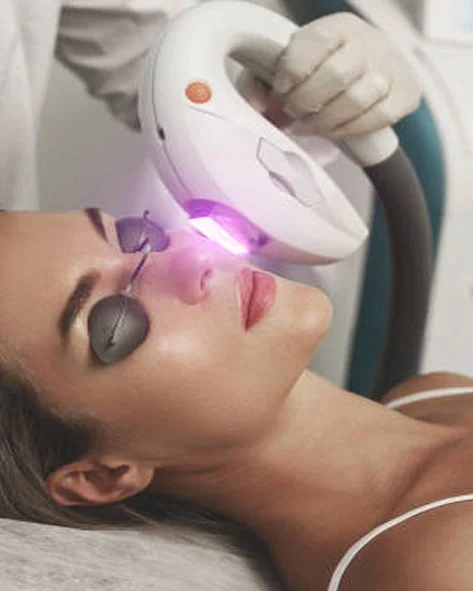
How does it work and why is it so popular?
If you’ve been exploring treatments to improve skin texture, tone, or overall radiance, you may be wondering: what is microneedling and why is it recommended so often?
Microneedling is a minimally invasive treatment that supports your skin’s natural ability to repair and renew itself. It’s widely used to address concerns like fine lines, acne scars, uneven texture, and dullness, all with little downtime and long-term benefits.
Below is a straightforward explanation of how microneedling works, what it treats, and how to know if it’s right for you.
What Is Microneedling?
Microneedling is a skin treatment that uses very fine, medical-grade needles to create controlled micro-injuries in the skin. These tiny channels stimulate the body’s natural healing response, encouraging the production of collagen and elastin which are two proteins essential for firm, smooth, healthy-looking skin.
This process improves the skin from the inside out, rather than relying solely on topical products or surface-level exfoliation.
How Microneedling Works
Microneedling works by triggering your skin’s natural regeneration process. During treatment:
A specialized device creates microscopic channels in the skin
The body responds by increasing collagen and elastin production
Skin texture and tone gradually improve over time
Because the microchannels are temporary, the skin heals quickly, making microneedling a popular option for patients who want visible improvement without extended downtime.
What Microneedling Treats
Microneedling is commonly used to improve:
Fine lines and early wrinkles
Acne scars and mild scarring
Uneven skin texture
Enlarged pores
Sun damage and pigmentation
Overall skin tone and radiance
It’s safe for most skin types and tones when performed by trained professionals, which is one reason it’s widely recommended in clinical skincare settings.

Microneedling vs Other Advanced Options
While traditional microneedling is effective on its own, some patients benefit from enhanced versions of the treatment.
At SKN WTR, we offer both:
Standard microneedling, which focuses on surface-level collagen stimulation
Radiofrequency microneedling, which combines microneedling with heat energy to stimulate collagen deeper in the skin
You can learn more about these options on our Microneedling page or explore our advanced treatment with Secret RF Microneedling.
What to Expect During Treatment
A typical microneedling appointment includes:
Cleansing and numbing the skin for comfort
Controlled treatment using a medical-grade device
Application of calming or hydrating serums afterward
Most sessions take about 30–60 minutes, depending on the area treated.
Downtime and Results
Downtime is minimal for most patients. Common side effects include mild redness and sensitivity, similar to a sunburn, which usually resolves within 24–72 hours.
Results develop gradually as collagen production increases. Many patients notice improved texture and glow within a few weeks, with continued improvement over time, especially with a series of treatments.
Is Microneedling Safe?
Microneedling is considered safe and effective when performed by trained providers using medical-grade equipment. According to Healthline, microneedling is widely used to improve acne scars, fine lines, and overall skin texture with a strong safety profile when done properly.¹
As with any treatment, a consultation is important to determine whether microneedling is appropriate for your skin type and goals.
How do I Know if Microneedling is Right for Me?
If you’re looking for a treatment that improves skin quality, texture, and tone without significant downtime, microneedling may be a strong option.
Understanding what microneedling is helps set realistic expectations. It’s not an instant fix, but a progressive treatment that works with your skin’s natural biology to create lasting results.
Your Next Step
If you’re considering microneedling or want to explore whether standard or RF microneedling is best for you, a personalized consultation is the best place to start.
Learn more:
At SKN WTR, we focus on treatments that support healthy skin, long-term results, and natural-looking improvement.
Xeomin vs Botox

Understanding the Differences and Choosing the Right Wrinkle Treatment
If you’ve started researching wrinkle-relaxing treatments, you’ve likely come across two familiar names: Botox and Xeomin. While they’re often discussed together, they aren’t identical. Understanding the nuances between them can help you make a more confident decision.
This guide breaks down Xeomin vs Botox, how each treatment works, what makes them different, and how to decide which option aligns best with your goals. At SKN WTR, our focus is always on subtle, natural results supported by education and personalized care.
What is Xeomin?
Xeomin is an FDA-approved neuromodulator used to temporarily relax facial muscles that cause expression lines. Like Botox, it targets dynamic wrinkles which are lines that form from repeated facial movement such as frowning, squinting, or raising your eyebrows.
What makes Xeomin unique is its formulation. Xeomin is often described as a “naked” neurotoxin because it contains only the active ingredient (botulinum toxin type A), without accessory proteins.
Common Xeomin treatment areas include:
Forehead lines
Frown lines (glabellar lines)
Crow’s feet
Xeomin is commonly chosen by patients who want a precise, predictable wrinkle-relaxing treatment with a streamlined formula.

Xeomin vs Botox: What’s the Difference?
When comparing Xeomin vs Botox, it’s helpful to know that both treatments work in very similar ways. Each is a neuromodulator designed to relax targeted facial muscles and soften expression lines. The differences are subtle, but they can matter depending on individual response and long-term treatment plans.
Here are the key distinctions to be aware of:
Active ingredient: Both Xeomin and Botox use botulinum toxin type A to temporarily block nerve signals to treated muscles.
Formulation: Xeomin contains only the active neurotoxin, without accessory proteins. Botox includes additional proteins as part of its formulation.
FDA approval: Both treatments are FDA-approved and widely used for cosmetic wrinkle reduction.
Primary use: Xeomin and Botox are both best suited for treating dynamic wrinkles caused by repetitive facial movement, such as forehead lines, frown lines, and crow’s feet.
Longevity: Results for both treatments typically last around 3 to 4 months, depending on muscle strength, metabolism, and treatment consistency.
For most patients, the decision between Botox vs Xeomin comes down to how their body responds to each product and the recommendation of their provider, rather than a major difference in outcomes.
| Feature | Xeomin | Botox |
|---|---|---|
| Active Ingredient | Botulinum toxin type A (incobotulinumtoxinA) | Botulinum toxin type A (onabotulinumtoxinA) |
| Formulation | "Naked" formulation — no accessory proteins | Contains accessory (complexing) proteins |
| Manufacturer | Merz Pharmaceuticals | Allergan (AbbVie) |
| FDA Approval (Cosmetic) | 2010 | 2002 |
| FDA-Approved Cosmetic Areas | Glabellar (frown) lines | Glabellar lines, forehead lines, crow's feet |
| Onset of Results | 3 to 5 days | 5 to 7 days |
| Duration of Results | 3 to 4 months | 3 to 4 months |
| Storage | Room temperature or refrigerated | Refrigeration required |
| Typical Cost Per Unit | $10 to $18 | $12 to $20 |
| Antibody Resistance Risk | Lower (purified, no accessory proteins) | Slightly higher with long-term use |
| Dose Equivalence | 1:1 ratio between Xeomin and Botox units | |
Why Formulation Matters
One reason Xeomin has gained popularity is its purified formulation. Without accessory proteins, Xeomin may reduce the likelihood of the body developing resistance over time which is a consideration for patients who receive neuromodulator treatments regularly.
That said, Botox has an extensive safety history and remains an excellent option for many clients. At SKN WTR, we view both products as tools and the “right” choice depends on your facial anatomy, goals, and treatment plan.
Xeomin Pros and Cons
Like any aesthetic treatment, Xeomin has advantages and considerations to be aware of.
Pros
Purified formulation with no accessory proteins
Natural-looking results when properly dosed
Comparable longevity to Botox
FDA-approved and well-studied
Cons
Results may feel slightly different depending on muscle strength
Not ideal for all facial areas or patients
Requires experienced placement for optimal results
Understanding Xeomin pros and cons is part of creating a treatment plan that aligns with both expectations and outcomes.
Xeomin vs Botox: Results and Experience
In practice, most patients find the results to be very similar. Both treatments:
Soften expression lines
Preserve natural movement when conservatively dosed
Require maintenance every few months
Some patients report that Xeomin feels slightly more precise or “lighter,” while others prefer the familiarity of Botox. These differences are often subtle and individualized.
How Xeomin Fits Into a Broader Aesthetic Plan
Neuromodulators like Xeomin and Botox address muscle-driven wrinkles, but they don’t restore lost volume. This is where treatments like dermal fillers may be recommended as part of a comprehensive approach.
For example:
Xeomin smooths forehead or frown lines
Fillers restore volume in cheeks, lips, or deeper folds
You can learn more about volume-restoring options on our Dermal Filler page.
Our wrinkle-relaxing treatments, including Xeomin and Botox, are offered as part of ourSignature Wrinkle Treatment, which focuses on balanced, natural-looking results.
Which One Is Right for You?
When deciding between Xeomin or Botox, consider the following:
Your previous experience with neuromodulators
Your desired onset and feel of results
Your long-term treatment goals
Provider recommendation based on facial anatomy
There is no universal “better” option — only what works best for you.
Safety and Education
Both Xeomin and Botox are FDA-approved and considered safe when administered by trained professionals. For general educational information on cosmetic neurotoxins, the American Society of Plastic Surgeons provides an overview of injectable wrinkle treatments.
At SKN WTR, safety, education, and thoughtful dosing are central to every treatment we offer.
Frequently Asked Questions
How long does Xeomin take to work?
Most patients begin to notice results within 3 to 4 days, with full effects visible by about 7 to 10 days. Individual response times can vary slightly.
How long does Xeomin last?
Results typically last 3 to 4 months, similar to Botox. Longevity can depend on muscle strength, metabolism, and treatment consistency.
Is Xeomin better than Botox?
Neither treatment is objectively better. The choice between Xeomin vs Botox depends on how your body responds and your provider’s recommendation.
Does Xeomin look natural?
Yes. When administered conservatively by an experienced provider, Xeomin produces smooth, natural-looking results that preserve facial expression.
Can Xeomin be combined with other treatments?
Absolutely. Xeomin is often combined with dermal fillers or skincare treatments to address multiple signs of aging in a single plan.
Your Next Step
If you’re considering Xeomin, Botox, or exploring wrinkle treatments for the first time, a personalized consultation is the best place to start. We’ll walk you through your options, answer your questions, and design a plan that fits your face, not a trend.
Learn more about:
At SKN WTR, we believe the best results are the ones that feel natural, informed, and entirely your own.
Botox vs Fillers
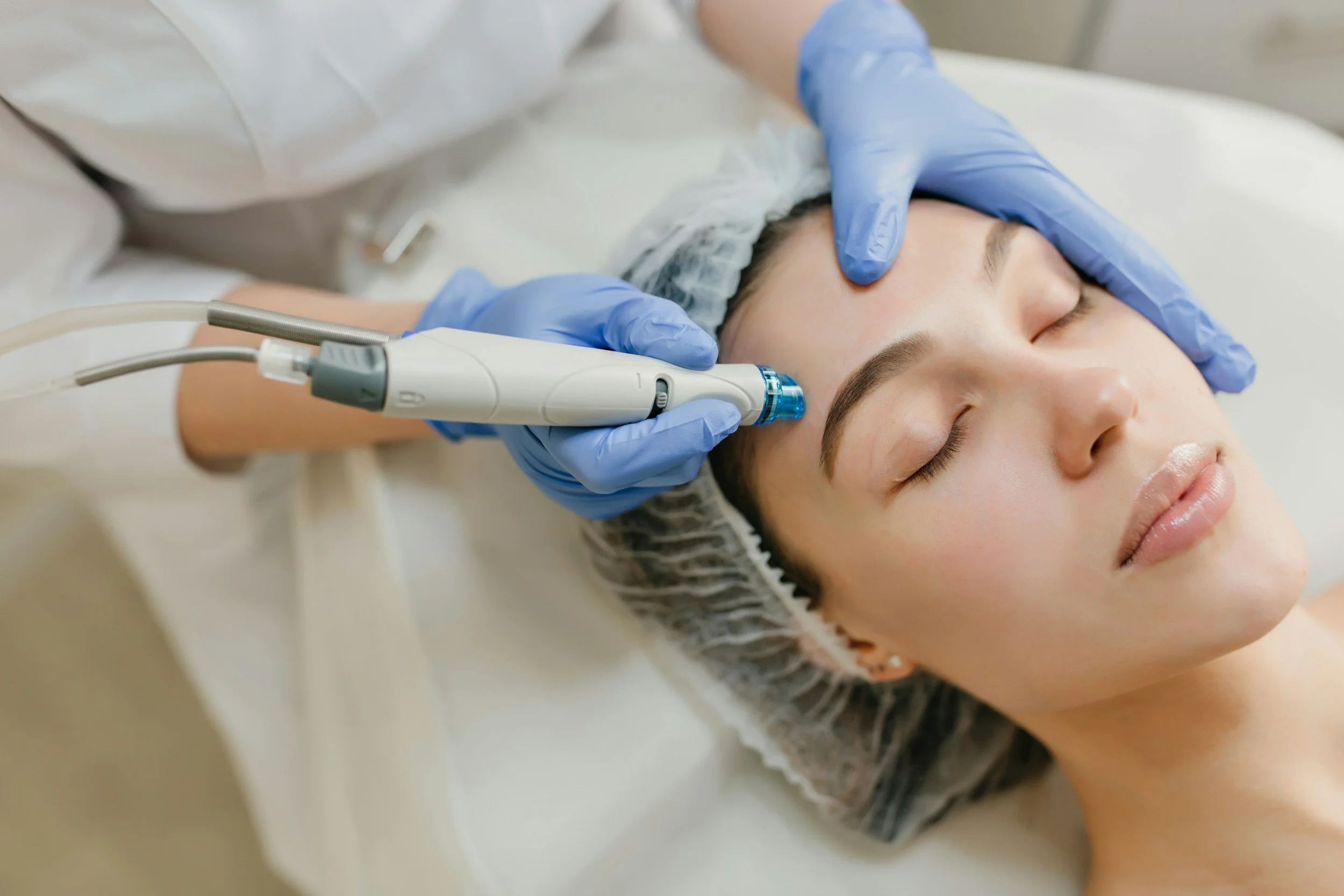
Understand the difference and choose what’s right for you
If you’re exploring aesthetic treatments for the first time, or even the fifth, it’s normal to have questions. Two of the most commonly discussed options are Botox and dermal fillers, and while they’re often mentioned together, they serve very different purposes. Understanding Botox vs fillers can help you make a confident, informed decision about your treatment plan.
At SKN WTR, our approach is thoughtful, natural, and tailored. This guide breaks down how each treatment works, what concerns they address, and how to determine which option or combination may be best for you.
Botox vs Fillers: The Core Difference
The simplest way to understand the difference between Botox and fillers is this:
Botox treats muscle movement
Fillers restore volume and structure
While both are injectable treatments, they address aging and facial concerns in very different ways.

What Is Botox?
Botox is a neuromodulator that temporarily relaxes targeted facial muscles. These muscles are responsible for dynamic wrinkles. These are lines that form due to repeated expressions like smiling, squinting, or frowning.
Common Botox treatment areas include
Forehead lines
Frown lines (between the brows)
Crow’s feet
Bunny lines
By limiting muscle movement, Botox helps soften existing lines and can prevent deeper wrinkles from forming over time. Results typically develop gradually over several days and last around three to four months.
At SKN WTR, Botox is offered as part of our Signature Wrinkle Treatment, designed to smooth while preserving natural expression.
What Are Dermal Fillers?
Dermal fillers are hyaluronic acid based injectables, a substance naturally found in the body. Fillers are used to restore lost volume, enhance facial contours, and soften static wrinkles (lines visible even when the face is at rest).
Common filler treatment areas include:
Lips
Cheeks
Jawline
Chin
Under-eye hollows
Nasolabial folds
Fillers provide immediate results, with longevity ranging from six months to over a year, depending on the product and placement. You can learn more about these treatments on our Dermal Filler page.

Fillers vs Botox: How They Work Together
Rather than thinking in terms of fillers vs botox, many clients benefit most from a combination of both. Botox can relax expression lines, while fillers restore volume and support, addressing multiple signs of aging in a balanced way.
This combination approach allows for:
Smoother skin texture
Improved facial proportions
A refreshed, rested appearance
When done thoughtfully, results look natural and cohesive, not overdone.
Nasolabial Fold Botox or Filler: Which Is Better?
Nasolabial folds — the lines that run from the sides of the nose to the corners of the mouth — are one of the most common concerns we see.
In most cases, nasolabial fold Botox or filler is not an equal choice. These folds are typically caused by volume loss and changes in facial structure rather than muscle movement. For that reason:
Dermal fillers are usually the preferred treatment
Botox is rarely used directly in this area
By restoring volume to the mid-face or directly softening the fold, fillers can create a smoother, more supported appearance without affecting natural movement.
Botox and Filler for Facial Balancing: A Complementary Approach
You may hear the term Facial Balancing used to describe a comprehensive injectable plan. This simply refers to using Botox and fillers together to address different aspects of facial aging.
For example:
Botox smooths forehead lines and crow’s feet
Fillers restore cheek volume or enhance lips
When planned strategically, this approach enhances facial balance while maintaining a natural look.
Botox or Dermal Fillers
Choosing between Botox or dermal fillers depends on your specific concerns and goals. Here’s a helpful way to think about it:
If your concern is expression lines → Botox
If your concern is volume loss or facial contour → Fillers
If you’re noticing both → A combination may be ideal
A personalized consultation is the best way to determine the right approach. Facial anatomy, skin quality, and long-term goals all play an important role in treatment planning.
What to Expect: Treatment, Downtime, and Results
Both Botox and fillers are quick, in-office procedures. Most appointments take 15–60 minutes, depending on the areas treated. Comfort measures such as topical numbing are used as needed.
Downtime
* Botox: Minimal downtime, with most clients returning to normal activity the same day
* Fillers: Mild swelling or bruising may occur, typically resolving within a few days
Results
* Botox results develop over several days
* Filler results are visible immediately, with refinement as swelling subsides
Safety and Education
When administered by trained, experienced providers, both Botox and dermal fillers are considered safe and effective. For additional educational information about cosmetic injectables, the American Society of Plastic Surgeons offers a helpful overview of injectable treatments.
At SKN WTR, we prioritize conservative dosing, precise placement, and treatments that enhance, not change. your natural features.
Is One Better Than the Other?
There is no universal “better” option, only what’s most appropriate for your face and goals. Some clients start with Botox, others with fillers, and many choose a combined plan over time
The key is working with a provider who understands facial anatomy, listens to your concerns, and prioritizes natural-looking results.
Your Next Step
If you’ve been researching Botox vs fillers and still feel unsure, you’re not alone. The best next step is a personalized consultation where we can assess your facial structure, discuss your goals, and recommend a plan that feels right for you.
Explore our treatments:
* Learn more about Dermal Filler
* Learn more about our Signature Wrinkle Treatment
At SKN WTR, we believe in informed choices, subtle enhancements, and results that feel like you, just refreshed.

Small Steps Create Big Shifts
It All Begins Here
Confidence doesn’t always arrive with a bold entrance. Sometimes, it builds quietly, step by step, as we show up for ourselves day after day. It grows when we choose to try, even when we’re unsure of the outcome. Every time you take action despite self-doubt, you reinforce the belief that you’re capable. Confidence isn’t about having all the answers — it’s about trusting that you can figure it out along the way.
The key to making things happen isn’t waiting for the perfect moment; it’s starting with what you have, where you are. Big goals can feel overwhelming when viewed all at once, but momentum builds through small, consistent action. Whether you’re working toward a personal milestone or a professional dream, progress comes from showing up — not perfectly, but persistently. Action creates clarity, and over time, those steps forward add up to something real.
You don’t need to be fearless to reach your goals, you just need to be willing. Willing to try, willing to learn, and willing to believe that you’re capable of more than you know. The road may not always be smooth, but growth rarely is. What matters most is that you keep going, keep learning, and keep believing in the version of yourself you’re becoming.